
How Alex Eala has advanced Philippine tennis
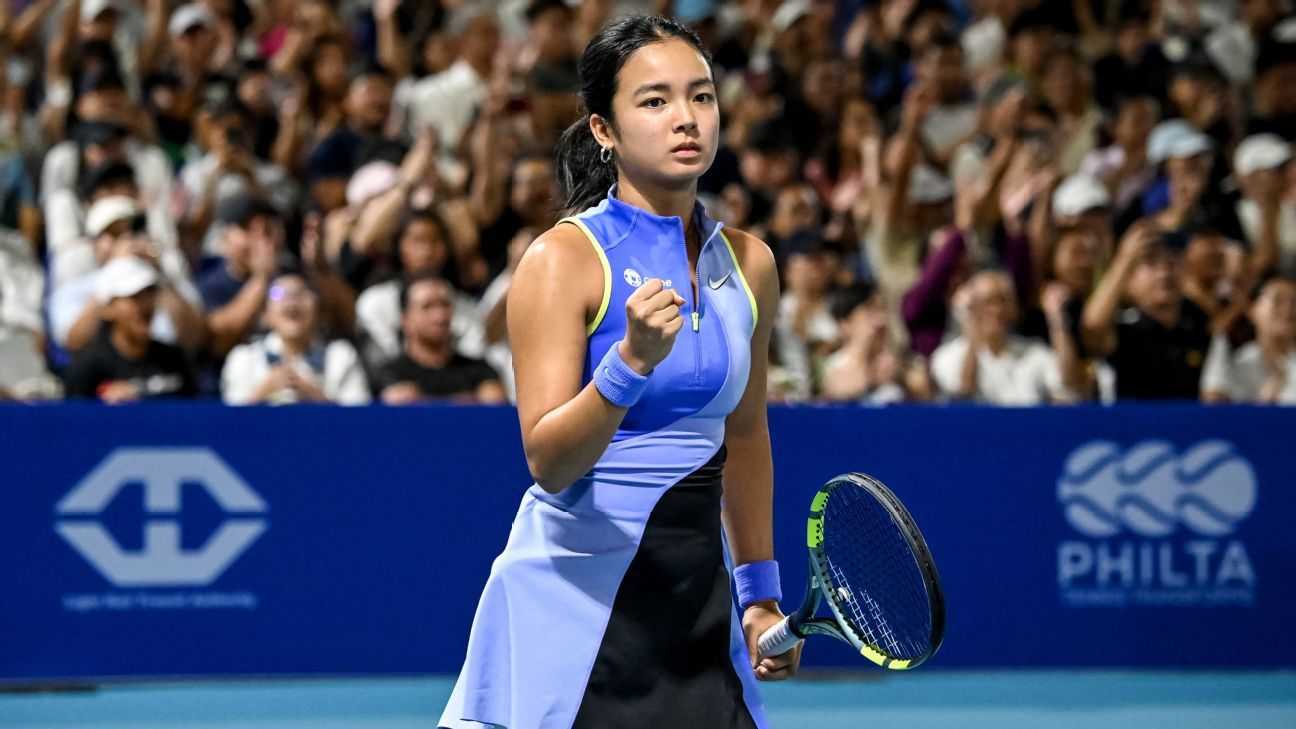
Melbourne Park witnessed an unexpected influx of spectators at Court 6 for a first-round match during the 2026 Australian Open.
The atmosphere felt somewhat unusual, as such attention is typically reserved for the later rounds of the tournament.
However, for Filipinos, it was merely routine: turning out in large numbers to catch a glimpse of a burgeoning local talent in Alex Eala.
Following her impressive semifinal performance at the 2025 Miami Open, the 20-year-old has firmly established the Philippines on the international tennis stage, transforming each of her matches into a highly anticipated event.
She has continued to build on that momentum with consistent progress on tour, refining her skills while ascending the WTA rankings and demonstrating that her Miami success was not a one-time occurrence.
This ascent soon resulted in significant achievements.
Eala gained direct entry into the main draws of all four Grand Slam tournaments and made history as the first Filipina to secure a US Open singles victory, achieving this against Clara Tauson.
Each outcome carried significance beyond just a victory or a ranking increase — it solidified her credibility on the sport’s grandest stages.
Despite her early exit at the Australian Open, her defeat to Alycia Parks highlighted the increasing enthusiasm surrounding her in her home country. The packed audience and enthusiastic Filipino support emphasized the momentum she has generated for the sport domestically.
This loss quickly transformed into another opportunity, as it allowed Eala to represent her country just days later in the inaugural Philippine Women’s Open — the first WTA-sanctioned tournament ever held in the nation.
It is difficult to envision the Philippines hosting a WTA tournament of any kind without Eala’s emergence. Instead, a statement has been made that the country is finally prepared to engage in the global tennis dialogue.
With a WTA-sanctioned event taking place on home soil for the first time, Eala’s involvement also lent the tournament immediate credibility, symbolizing the progress Philippine tennis has made — and its aspirations for the future.
“This tournament, even though not yet finished, is already a great success. The turnout, the excitement, the feedback from players and WTA officials — it’s amazing. For a first edition, I’m just happy to be part of it and to see it unfold,” Eala remarked regarding the WTA tournament in the Philippines.
In many respects, Eala has become the representative figure for Philippine tennis. Her ascent has provided a clear model for the next generation: elite junior development, patience on the professional circuit, and the belief that Filipinos can compete in tennis.
However, there remains work to be done with local female players. Filipina competitors such as Tennielle Madis, Elizabeth Abarquez, Kaye Emana, and the doubles team of Angeline Alcala and Joanna Peña all finished without a win.
Nonetheless, Eala believes these initial results should be perceived less as setbacks and more as indicators of the current state of Philippine tennis — and its potential for growth with the right framework and ongoing support. She noted that exposure to this level of competition is a crucial first step toward bridging the gap.
“Having a WTA tournament here is a huge stepping stone and a wake-up call. Filipinos are hardworking and passionate, and if we start to invest in our tennis players, we can slowly build more champions,” Eala stated.
Despite Eala’s quarterfinal defeat to eventual champion Camila Osorio, the week proved beneficial for both her and the sport locally, providing valuable match experience and reinforcing the importance of patience in long-term development.
“I think it was an overall good week. Of course, I’m disappointed about today. I think I had better days, but it is what it is. I just have to accept it, and there’s always next weekend,” Eala added.
Beyond the outcomes, Eala’s return home emphasized her growing role as both a competitor and a catalyst.
Her presence elevated the tournament’s profile, highlighted the developmental gaps that still exist, and simultaneously inspired younger players who now have a concrete example of what is achievable.
In both victory and defeat, Eala exemplified the mindset she hopes the next generation will adopt: resilience, perspective, and a commitment to continuous improvement.
“I think just being so international with my profession and finding myself in different places in the world — I find that where it’s where you come from becomes a big part of who you are. It really allows you to appreciate really where you come from, your culture, and it really makes you proud to be Pinoy,” Eala expressed.
As the Philippine Women’s Open marks a new chapter for the country, Eala stands at its forefront — not just as a participant, but as its driving force.
She is currently competing at the Mubadala Abu Dhabi Open, where the number 45-ranked Eala defeated Zeynep Somnez to progress to the round of 16.
At just 20, she is already influencing the future of the sport, carrying the flag with confidence and clarity.
And with a nation firmly behind her, Alex Eala is no longer merely a rising star — she is the standard, and the beginning of something much larger for Philippine tennis.
Source: espn.com
