
Lando Norris and Fernando Alonso express disappointment with Suzuka qualifying results.
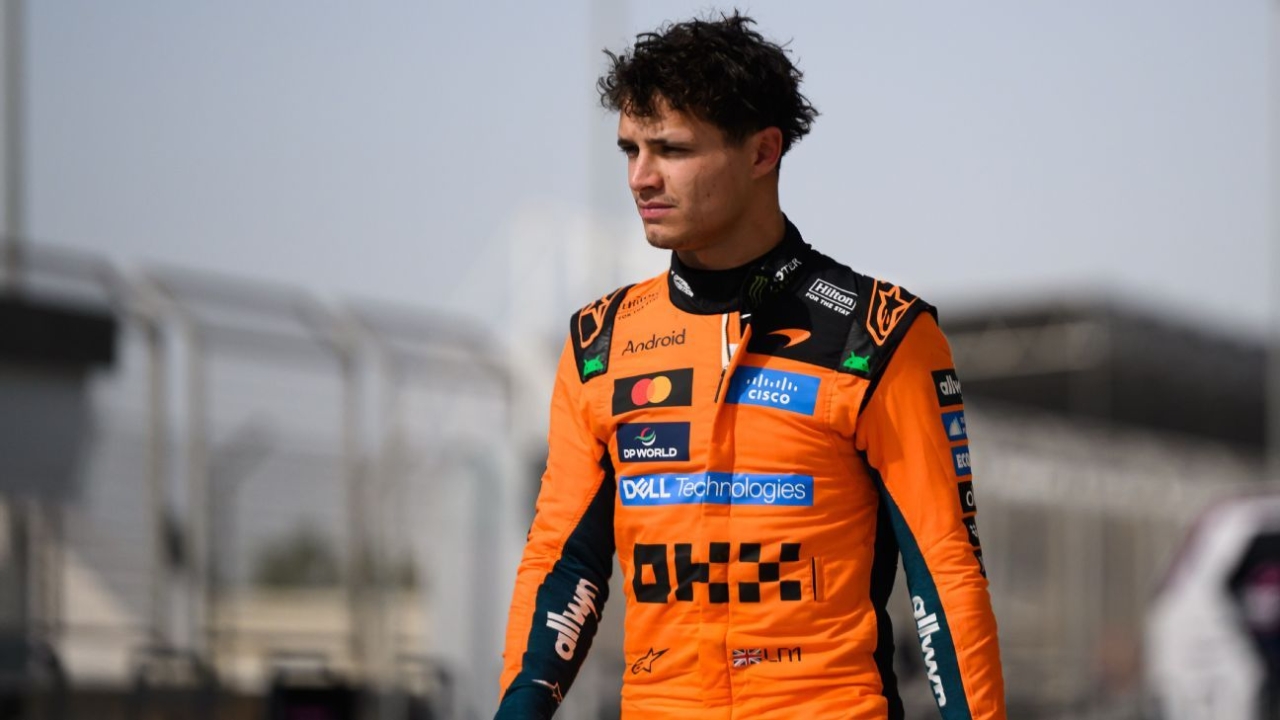
Numerous Formula 1 drivers concluded qualifying at the Japanese Grand Prix expressing concerns regarding the effects of the sport’s new power unit regulations on a full-speed lap at Suzuka.
The tripling of electrical power deployment under the 2026 regulations has led to scenarios on track where cars either deplete their electrical power or are compelled to harvest energy on straights or in corners.
During qualifying, some of Suzuka’s most renowned high-speed corners seemed diminished as drivers had to recharge the vehicle’s battery instead of maximizing grip.
The two primary straights also experienced reduced speeds well before the subsequent braking point, as engine power was either diverted to recharge the hybrid system’s battery, referred to as super clipping, or drivers eased off the throttle and coasted prior to braking.
Reduced speeds in corners and unusual speed profiles on straights have been among the most significant criticisms regarding the new regulations’ impact on qualifying sessions, and Suzuka was no exception.
“It still hurts your soul when you see your speed dropping so much — 56 kph down the straight,” reigning champion Lando Norris remarked about the peak speed of his McLaren.
Fernando Alonso noted that he was driving well below the limit in high-speed corners during preseason testing, suggesting that even Aston Martin’s chef could have taken the wheel, and stated that the challenge of qualifying at Suzuka has now diminished.
“It’s gone,” he stated.
“I mentioned in Bahrain, Turn 12, that the chef could drive the car now and perhaps fifty percent of the team members could manage it in Suzuka.
“Because, as I have mentioned several times, high-speed corners have now become the charging station for the car. So you go slow there, you charge the battery in the high-speed, and then you have full power on the straight.
“Thus, driver skill is not really necessary anymore. You just need to ease off the throttle or reduce the battery output to recharge it. So, yeah, no more challenge in high speed.”
– Japanese Grand Prix: Max Verstappen ‘beyond frustrated’ after Q2 exit extends difficult start
– Verstappen: ‘Massive lack of respect’ behind journalist’s ejection from media session
– Leclerc: ‘Cannot stand’ new qualifying rules after mistake costs him on straight
Williams driver Carlos Sainz indicated that the constraints of the regulations were especially evident in qualifying compared to practice sessions, as drivers began to push harder and spent more time at full throttle. “A bit disappointed in qualifying as the more you pushed the slower you went,” Sainz remarked. “That’s what happened to me in Q2.
“I believe I had slightly less slipstream during my lap and was in clean air. I was quicker in every corner, slower in every straight, and ended up 0.1 seconds slower.
“And that’s simply because I spent more time at full throttle since I was faster in the corners and pushed harder at high speed, pushed everywhere.”
Despite the FIA’s efforts to alleviate the issue by restricting the amount of electrical energy drivers could harvest during qualifying at Suzuka, Sainz mentioned he had to employ different strategies to keep the battery charged.
“Super clipping came into play a bit during the deployment, and there was also lift and coast in that qualifying lap, so overall not good enough for F1,” he stated.
“Listening to the FIA yesterday, they seem to be making efforts and have a plan in mind, but I’m somewhat concerned that some teams may resist changes due to their own interests.
“However, I think we have made it clear from the drivers’ perspective that improvements are necessary, and hopefully, they will heed the drivers rather than the teams.”
Source: espn.com
