
What is causing the delay in essential funding for World Cup host cities?
In 2018, when FIFA granted the hosting rights for the 2026 World Cup to Canada, Mexico, and the United States, the advantages appeared unparalleled. The enthusiasm for soccer in all three nations is substantial. The existing infrastructure, including transportation, stadiums, and training facilities, is commendable. The event seemed set to generate significant revenue for FIFA, with an anticipated attendance of 5 million fans, and to further enhance the sport’s popularity in the three host countries.
However, various factors have combined to place U.S. host cities in a challenging situation ahead of the World Cup, even before the tournament begins. In July, Congress enacted legislation that allocated $625 million in funding to the 11 U.S. host cities for expenses such as security and FIFA Fan Fests, which have been part of the tournament since 2006. With less than 100 days remaining until the event kicks off, the funds have not yet been disbursed, raising concerns among the host cities.
What’s the delay?
The U.S. government is currently experiencing a partial shutdown, with the Department of Homeland Security (DHS) lacking funding due to demands from Democratic lawmakers for new restrictions on federal immigration operations following the murders of Renee Good and Alex Pretti in January. Among the affected agencies is the Federal Emergency Management Agency (FEMA), which operates under DHS. FEMA is tasked with distributing the funds but has not yet done so. While some federal employees continue to work during the shutdown, those responsible for processing grant funding are not among them.
The absence of fund disbursement has become a topic of political blame.
During a hearing before the House Committee on Homeland Security on Feb. 24, U.S. Rep. Nellie Pou of New Jersey, whose district includes MetLife Stadium, where the World Cup final will take place, stated, “Congress has allocated $625 million for the 11 cities hosting World Cup matches, including my district. With only about four months remaining, these cities still report they have not received this funding. This is entirely unacceptable this close to kickoff. If DHS is going to be involved in this tournament, then DHS must be transparent, coordinated, and timely. The World Cup is a global event. We need to act as if we are prepared for it. Time is running out.”
– Will Iran participate in the World Cup? What are the implications if they don’t?
– World Cup host cities alert Congress regarding security issues
– Boston 2026 states Kraft Group supports World Cup funding
This prompted a response from Homeland Security Secretary Kristi Noem, who remarked in a post on X that “FEMA was in the final stages of reviewing applications to ensure proper oversight when Democrats shut down the government, placing significant portions of the FEMA staff on administrative leave. No funds have been awarded yet under the FIFA World Cup grant program. The longer DHS remains unfunded, the less prepared our nation will be for threats at the FIFA World Cup and America 250.”
Subsequently, Pou replied with her own post on X, informing Noem that DHS’s “own notice of funding opportunity for this grant program” had anticipated the award date to be no later than Jan. 30, 2026. The DHS shutdown commenced on Feb. 14.
“It’s time for DHS to fulfill its responsibilities,” Pou stated in her post.
Experiencing the impact
At the Feb. 24 House Committee meeting, individuals associated with host cities or providing security for them raised alarms that time is of the essence.
Ray Martinez, the chief operating officer for the Miami World Cup host committee, indicated a “drop dead date” of the end of March to secure approximately $70 million in funds. If the funds are not received by that time, plans related to the World Cup would begin to be canceled.
“We’re 107 days away from the tournament, but more critically, we’re about 70-something days away from starting to construct the Fan Fest. These decisions must be made,” Martinez stated. “… Without this funding, it could be disastrous for our planning and coordination.”
Joseph Mabin, the deputy chief for Kansas City police, emphasized that the funding is essential for hiring additional personnel needed to ensure security for not only six matches but also the four base camps teams will utilize in the Kansas City area.
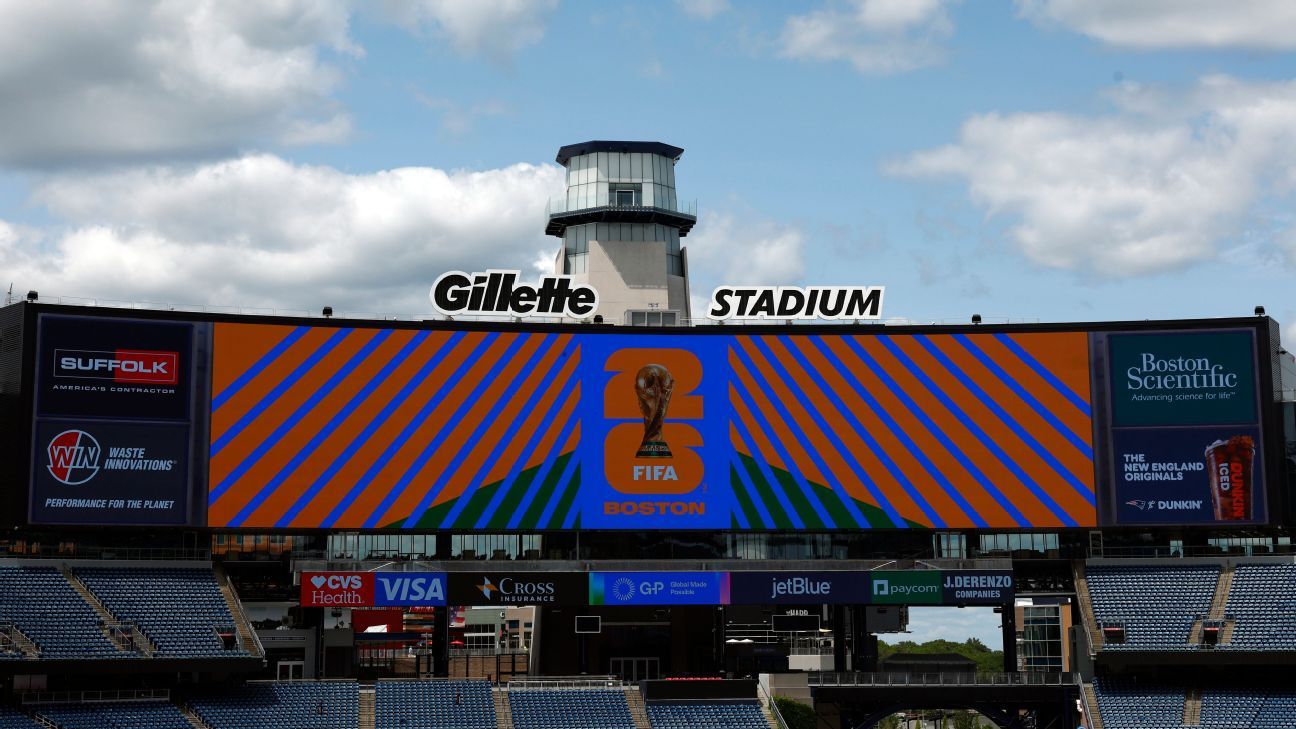
The town of Foxborough, Mass., with a population of around 18,000, has also voiced concerns regarding the lack of funding. Gillette Stadium is located in the municipality, which is responsible for issuing licenses for events held at the venue.
During a meeting of the town’s select board on Feb. 17, leaders expressed worries about the approximately $8 million in funding that will be necessary. Neither Mike Loynd, president of the Boston 2026 host committee, nor Kevin Clark, director of venue operations for FIFA 26, could provide the select board with any information regarding the source of security funds.
“I must admit, it perplexes me that you are all here in front of me right now and we still have no clarity on where this funding is coming from,” board member Mark Elfman remarked.
However, at a town meeting on Tuesday, Boston World Cup organizers informed the town’s select board that they would cover the $8 million, stating they had a guarantee from the Kraft Group to fund any shortfall. Gary Ronan, an attorney representing the Boston host committee, added that the committee would settle any costs within two business days of receiving an invoice.
“If you don’t receive payment, you can terminate the license,” Ronan stated. “The next soccer game won’t occur.”
Nonetheless, the two parties expressed differing views on a deadline for the delivery of security materials, among other matters. The board is set to vote on granting FIFA a license to utilize the stadium for the World Cup at its next meeting on March 17.
FIFA’s stance has been non-intrusive. Despite the fact that this is FIFA’s tournament, sources within FIFA regard the funding issue as one to be resolved between the federal government and the organizations representing the host cities.
With little expectation for FIFA intervention, the deadline looms at the end of March. Whether the situation will be resolved before then remains uncertain.
