
Top Premier League clubs cannot overlook the financial benefits of the Champions League for even a single season.
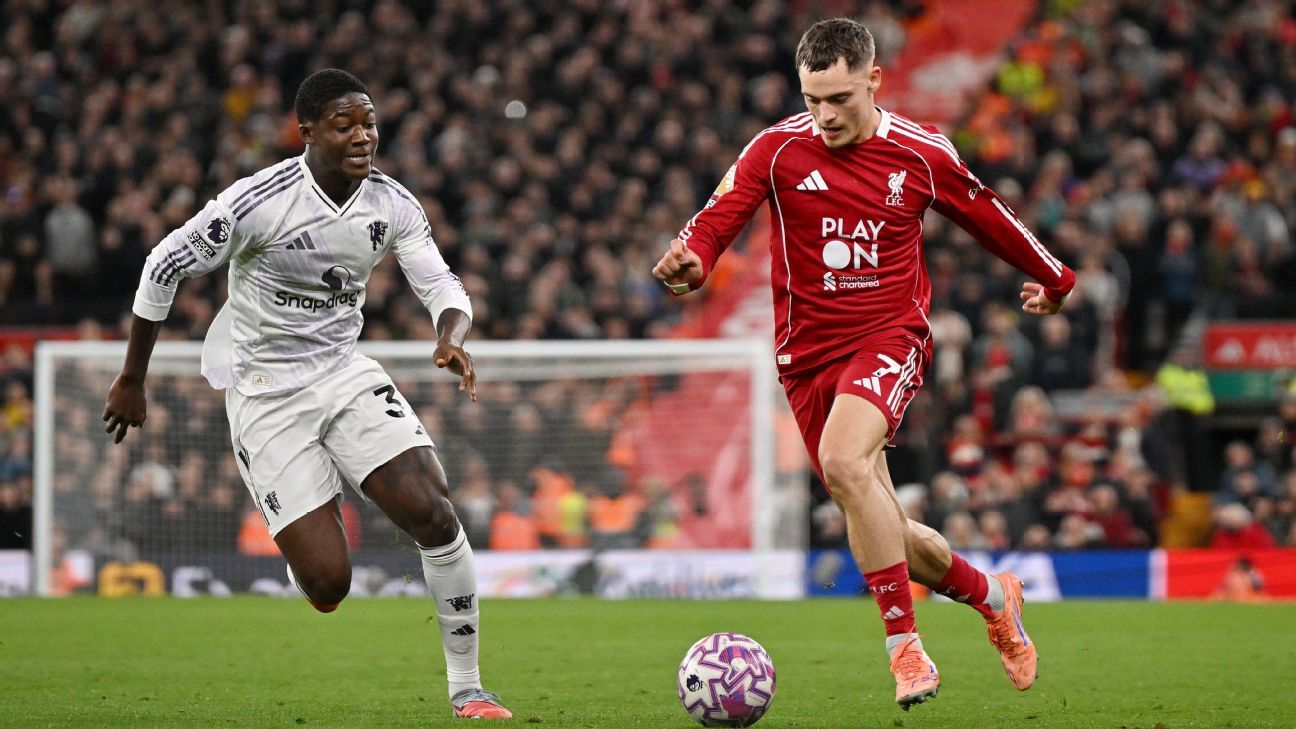
The UEFA Champions League returns this week, and for the top clubs, it is increasingly vital that it remains a constant presence. This urgency is why Liverpool, Manchester United, and Chelsea are eager to secure their places in next season’s tournament.
These three clubs are among the most commercially powerful in global football, but a year without Champions League participation can result in significant financial instability due to the expenses associated with competing at the highest level.
Collectively, Liverpool, United, and Chelsea have claimed 11 Champions League/European Cup titles. Including Aston Villa’s 1982 European Cup victory, the four clubs vying for three Champions League positions through the Premier League—assuming Arsenal and Manchester City finish in the top two—have amassed as many titles as Italy’s Serie A has in 70 years of European Cup history.
– Ranked: The 10 worst Premier League teams, relative to spending
– Summer transfer needs for all 20 Premier League teams
– Reigning UCL champions PSG release 5th new kit of season
While historical significance and prestige are crucial for clubs aiming to compete with Real Madrid, Barcelona, Bayern Munich, and current champions Paris Saint-Germain, the financial benefits of Champions League participation are paramount.
For clubs like Madrid, Barça, Bayern, and PSG, competing in the Champions League has become an annual expectation. Their domestic dominance is so pronounced that it is inconceivable for any of these teams to miss out on qualification.
PSG’s last absence from the Champions League was in the 2011-12 season, while Bayern (2007-08), Barcelona (2003-04), and Madrid (1996-97) have nearly forgotten what a season without Champions League football entails. However, there are simply not enough qualification spots for the Premier League’s so-called Big Six (which still includes Tottenham Hotspur, currently battling relegation), along with Villa and Newcastle United, to confidently invest as if a Champions League payout will support their operations.
PSG earned £125.06 million from the UEFA prize fund for their Champions League victory last season, while runners-up Inter Milan received £118.3 million. Among the eight quarterfinalists last season, Villa’s £72.5 million in overall Champions League earnings were the lowest, yet still represented a substantial financial gain for the club.
United, who did not qualify for any European competition this season, exemplify the detrimental effects of missing out. In addition to the UEFA prize fund, they are also forgoing matchday revenue at Old Trafford, which amounts to around £5 million for each home game. Had they matched Villa’s quarterfinal run last season, United could have hosted six Champions League home matches, translating to an additional £30 million in potential earnings.
Furthermore, United face financial penalties in their sponsorship agreements due to their absence from the Champions League, including a £10 million reduction in their £90 million annual shirt deal with Adidas. Additionally, the playing and coaching staff experience a 25% salary cut whenever they fail to qualify for the Champions League—despite their annual wage bill being £313 million in their latest accounts—this cost-saving (£78.25 million) does not compensate for the revenue lost from not participating in the Champions League. United currently owe £422 million in outstanding transfer fees, with £238 million of that amount due by the end of next season, making a return to the Champions League essential for the first time since the 2023-24 season.
Chelsea also heavily depend on earnings from the Champions League. According to data released by UEFA last month, Chelsea reported a loss of £355 million in 2024-25—more than double the next highest loss, which was recorded by Lyon.
The £84 million received from winning the FIFA Club World Cup last summer provided a crucial financial boost for Chelsea after their participation in the UEFA Conference League last season, which yielded only £19.06 million despite Enzo Maresca’s team winning the competition by defeating Real Betis in the final.
Even Liverpool, last season’s Premier League champions, face financial challenges if they fail to qualify for the Champions League this season. Despite their league title, which brought in £174.9 million in prize money, and £46 million from reaching the Champions League round of 16, the club reported a pre-tax profit of just £15.2 million in their most recent financial statements.
Liverpool also disclosed an annual wage bill of £428 million—the highest in the Premier League—and this figure does not account for the new contracts awarded to Mohamed Salah and Virgil van Dijk last summer, nor does it include the salaries of new signings such as Alexander Isak, Florian Wirtz, and Hugo Ekitike following last year’s £450 million transfer expenditure.
In the financial accounts, Liverpool’s chief financial officer Jenny Beacham emphasized the necessity for the team to compete at the “highest level” to manage the club’s escalating costs.
“The club does face significant cost challenges, including rises in administrative, staffing and operational costs, alongside the need for us to compete at the highest level of the game, across our men’s and women’s teams,” Beacham stated. “Since this reporting period we have invested significantly to continue to enhance our playing squads, investing in the club’s present and in its future too.”
Liverpool have firsthand experience of the repercussions of missing out on the Champions League, with Jürgen Klopp’s final season as manager in 2023-24 taking place in the Europa League—an outcome that affected the plans of his successor, Arne Slot.
“It’s very important for us as a team to be in the Champions League and it has shown how important it is for this club financially,” Slot remarked. “The season when I arrived, there was a reason why we only signed Federico Chiesa and that was partly because of the season before there was Europa League football.
“We know we are in a transition and a transition works better if there’s money available.”
Thus, while the Champions League is the only venue for the largest clubs, it has evolved into more than just a prestigious addition to domestic achievements. It has become a crucial source of revenue, and in the Premier League, top clubs will inevitably miss out, with the consequences of failure growing increasingly significant.
