
NWSL anticipated to decide on schedule adjustment this month
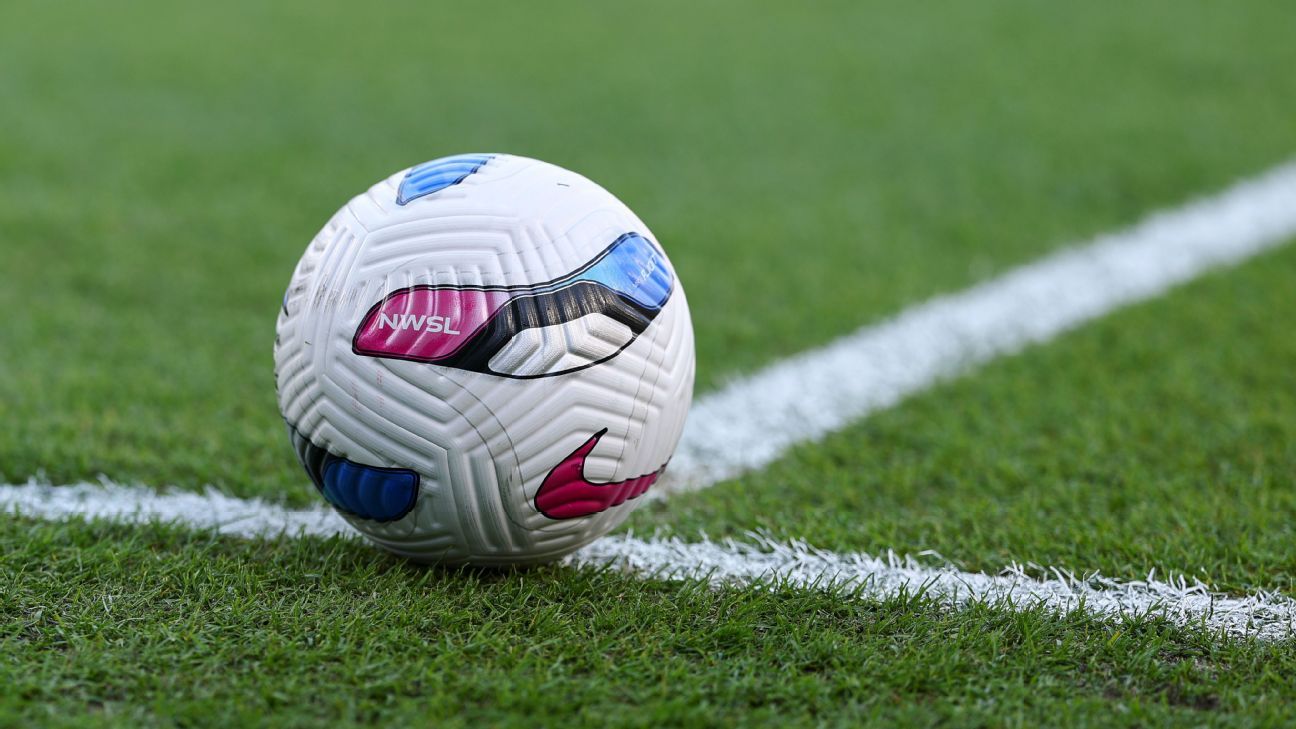
The NWSL’s Board of Governors is anticipated to cast a vote later this month regarding the potential shift of the league’s calendar to a fall-to-spring format, according to multiple sources who spoke with ESPN.
Currently, the NWSL season begins in March and concludes in November, but a proposed change—one that has been discussed for several years and previously rejected—would see the season commence in late summer and wrap up in late spring. This adjustment would align the NWSL with several leading European leagues and, shortly, with MLS, which is set to transition to a fall-to-spring schedule next year.
The board has been considering altering the season structure for at least three years, and a previous attempt to change the calendar was narrowly defeated in late 2024, as reported by ESPN. Ongoing discussions regarding this issue have persisted within league circles.
A new vote on the calendar may take place at the forthcoming board meeting, sources indicated, although the agendas for such meetings are subject to frequent changes, and the specifics of potential proposals can be modified right up until the voting commences, as was the case in December with the introduction of the new High Impact Player rule.
Even if a vote successfully approves a calendar change—which is not assured, given that support for the idea is not unanimous—it could take several years to implement.
An NWSL spokesperson opted not to comment on this matter.
NWSL commissioner Jessica Berman stated in November that “our ecosystem is on notice” regarding the league’s possible calendar change.
“There are certainly opportunities that can be created with us not overlapping Major League Soccer, in that the schedule congestion for our summer calendar will be mitigated,” Berman remarked prior to the 2025 NWSL Championship. “Conversely, there will undoubtedly be other challenges that arise concerning stadium availability.”
Advocates for the change argue that synchronizing the NWSL’s calendar with Europe will enhance transfer activities and enable the NWSL to function more effectively around FIFA international windows.
Sources informed ESPN that some board members also believe there is reduced competition for prime television slots in late spring, suggesting that the NWSL playoffs could attract a larger audience during that period. Maximizing revenue from the upcoming media rights agreement is currently the top priority for the NWSL board, as multiple sources have conveyed to ESPN over the past year, and Berman has frequently addressed this topic.
Opponents of a calendar shift highlight the NWSL’s numerous cold-weather markets and potential player safety concerns related to hosting matches in freezing conditions, although extreme heat is already a challenge during the NWSL’s summer months. They also express worries about how low temperatures and possible weather delays could affect attendance, which saw an average decline last year.
The NWSL’s Board of Governors is scheduled to convene later this month. Any potential league vote is likely to yield a narrow outcome in either direction, similar to the situation in 2024.
MLS owners voted in November to adjust the calendar to align with Europe. MLS will transition by conducting a shortened “sprint season” next spring before moving to a full season for 2027-28. The new MLS seasons will commence in July, include a winter break from mid-December to early February, and conclude the playoffs by late May.
The NWSL could pursue a comparable approach but on a delayed schedule.
The NWSL’s recent collective bargaining agreement, ratified in 2024, accounted for a possible change by removing restrictions on preseason start dates and including a section (27.9) that addresses schedule format changes. This section mandates that the league must provide at least one year’s notice to the NWSL Players Association if it intends to transition to a fall-to-spring format.
Following that, the CBA stipulates that the league and the union must establish a scheduling committee and allow for NWSLPA input, as well as negotiate necessary changes that conflict with the current CBA, “but the NWSL retains the discretion to make the format change.”
There are natural breaks in the calendar that the NWSL could utilize for a transition. The 2028 Summer Olympics will take place in Los Angeles (with the Olympic soccer events spread across the U.S.), and the 2031 Women’s World Cup is anticipated to be primarily hosted in the United States, although FIFA has delayed the formal approval of that uncontested bid.
Changing the calendar is supported by many executives within the league as it would align NWSL contracts with those in Europe, where agreements typically expire in the summer. Executives have asserted for years that this alignment will facilitate player transfers.
In ESPN’s inaugural anonymous general manager survey in 2024, one GM noted that the ongoing debate over the calendar was “actually the biggest question facing the league.”
Transforming the summer into the offseason would also enable the NWSL to circumvent one of its significant challenges: international tournaments. The league attempted to continue operations during the first two Women’s World Cups (2015 and 2019) despite the absence of numerous star players before ultimately taking a five-week hiatus for the 2023 edition.
Due to the World Cup, the Olympics, and continental tournaments like the Euros, there are substantial international calendar conflicts three out of every four summers. (This year, during the one down summer in that cycle, the NWSL implemented a month-long break due to the Men’s World Cup occupying many of its venues and markets.)
MLS and the NWSL currently mirror each other in their operational seasons, which begin at the start of the calendar year (typically February or March) and conclude with playoffs that extend until the end of the year. Both leagues have commenced their seasons early in the calendar year since their establishments in 1996 and 2013, respectively.
The USL Super League, which is also recognized as a U.S. women’s first division alongside the NWSL, launched in 2024 and already operates on a fall-to-spring schedule, starting in August and concluding in May.
