
RABAT, Morocco — Ahead of the Africa Cup of Nations, almost everyone in Rabat would give you the same answer when asked to predict their tournament winners.
Regardless of whether they were Moroccan or not, the overwhelming majority of predictions ahead of the tournament tipped the hosts to get the job done on home soil and end their half-century wait to return to the pinnacle of African football.
Now, on the eve of their quarterfinal showdown with Cameroon in Rabat on Friday, the mood is far less ebullient.
Why were they the favourites?
There were simply so many reasons to back Morocco.
The Atlas Lions entered the tournament enjoying a record-breaking 19-match winning streak in international football, with recent experience of reaching the World Cup semifinals.
They have squad depth and richness that few, if any, rivals in the competition can match, with home support and all that it entails, with an experienced, settled coach who knows the squad inside out, and, in Achraf Hakimi, Africa’s reigning Footballer of the Year.
Of course, there were the few naysayers arguing that the weight of history (no title since 1978), the increasing pressure of expectation at home, as well as Hakimi’s injury problems heading into the tournament each had the potential to derail the Atlas Lions.
But it was never entirely convincing. This is Morocco’s Nations Cup, theirs to win, theirs to lose… surely!?
As we approach the quarterfinals, everything — on paper at least — has been going well, as the Atlas Lions secured their primary objective of topping Group A, and then proceeded past Tanzania into the Last Eight.
Despite their run, however, the buoyant optimism and undiluted bravado that accompanied the team as they began the Nations Cup has slowly begun to ebb away, with unforeseen circumstances, performances on the field, and the broader context each conspiring to chip at Morocco’s standing as the overwhelming favourites to win the crown.
Hakimi’s fitness and other injuries
Paris Saint-Germain star Hakimi is back, finally, having played the full match against Tanzania on Sunday, but in truth, he looked a shadow of himself, with head coach Walid Regragui later acknowledging afterwards that the rightback was not yet at his peak.
Before the opening match against Comoros, Regragui announced that Hakimi was ready to go, and while Morocco were keen to manage him effectively during the tournament, they were under no pressure to select him from the start.
This proclamation, coupled with Hakimi’s tentative showing against Tanzania, now combine to give the impression that either Regragui deliberately presented an overly positive summary of the player’s status ahead of the tournament, or that he was poorly informed by his medical team.
Either way, it hasn’t had a positive impact on the team, even though Hakimi’s replacements have fared well to date.
Other injuries continue to impact the squad. Hamza Igamane — according to Regragui at least — is now “100 percent” and available to the Atlas Lions after a groin injury, but midfield general Sofyan Amrabat has not played since the Mali draw as he recovers from an ankle injury. Regragui suggested on Thursday that it was touch and go whether the 29-year-old would be available to start against Cameroon.
Playmaker Azzedine Ounahi, described by Regragui as Morocco’s ‘metronome’ to ESPN earlier in the tournament, will miss the rest of the campaign after suffering a calf tear in training ahead of the Tanzania, denying the Atlas Lions both of the central midfielders who were so inspirational during their run to the World Cup semi in Qatar.
Veteran Romain Saïss was injured, and replaced in tears, 19 minutes into the opener against Comoros and is unlikely to be seen again, while Regragui was forced to downplay rumours of injury to another centreback, Nayef Aguerd, ahead of the Mali draw.
The absentees are surely having an impact on the performances, where Morocco appear to be regressing as the tournament wears on having looking bright and inventive at times in the opener against Comoros — forcing goalkeeper Yannick Pandor to make five saves — but ran out of ideas against Tanzania in the Last 16.
The loss of the imaginative Ounahi was a major factor against the Taifa Stars, and will continue to be, but even with him present, supporter disgruntlement was audible as the Atlas Lions failed to score until the 55th and 45th minutes of their first two matches.
It took them over an hour to break the deadlock against a Tanzania side ranked 112th in the FIFA World Rankings.
Generally, while controlled (no other team has seen more of the ball), Morocco’s play has not been particularly vibrant nor exhilarating, with the Atlas Lions — who have produced some of Africa’s all-time great dribblers over the years — not even in the top 10 at the tournament for successful dribbles completed per match.
Brahim Díaz’s urgency, Abde Ezzalzouli’s invention and delivery, Noussair Mazraoui’s Ajax DNA and Ayoub El Kaabi’s superb overhead kicks have bought delight to local supporters, but there’s still a sense that Morocco are less than the sum of their parts.
Fans don’t seem to like the coach, and vice versa
Fan support has been called out by Regragui during the tournament, with the head coach attempting to toe the party line and reaffirm the unity between players and fans, but being unable to help himself from aiming slight digs at the home fans.
“If the fans have only come [to the stadium] to eat the [half-time] canapés, then we have no use for them,” he told ESPN ahead of the opener.
“What we want is for the public to really support us. If they only come to wait until half time to eat the snacks, then we don’t care about them.”
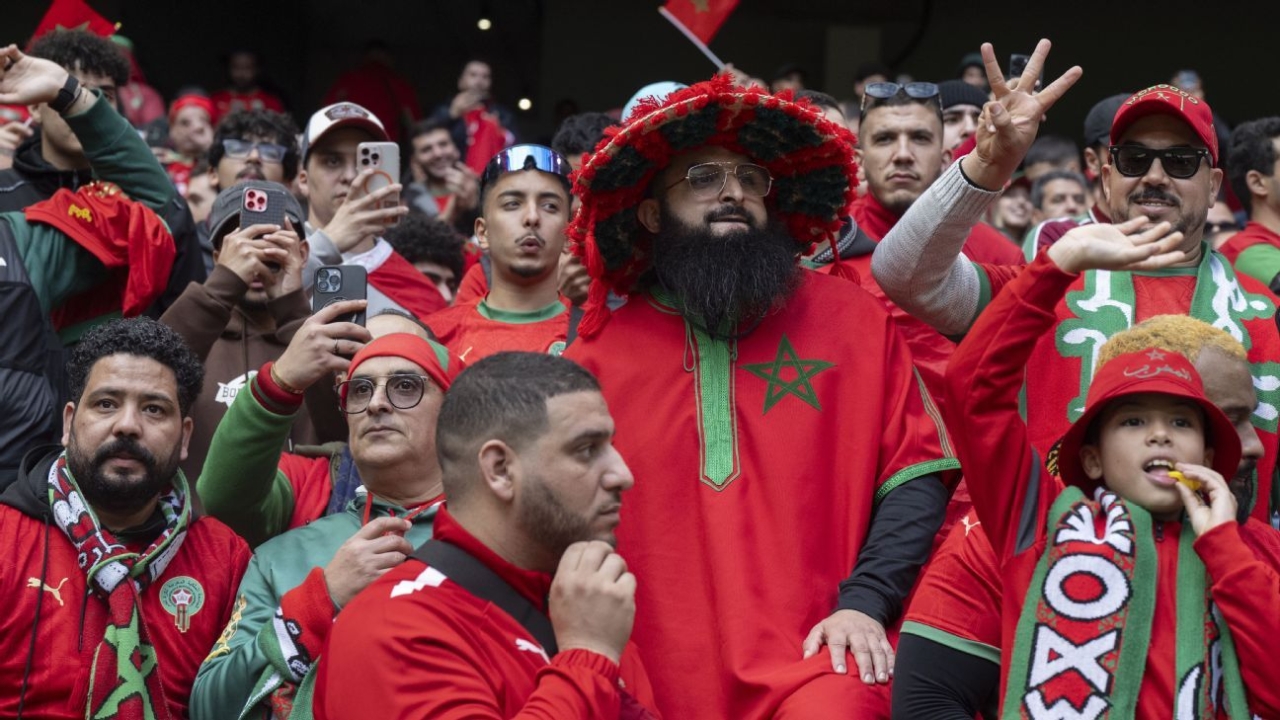
Enthusiasm does appear to have dipped since the opening match and then the 1-1 draw with Mali, the game that ended Morocco’s record-breaking winning streak, with empty seats visible in the 69,500-Prince Moulay Abdellah Stadium.
Here, it’s impossible to ignore the broader context of the coach’s public perception and Morocco’s wavering love affair with their new-found prominence within African football.
Despite all he’s achieved with the national side — undeniable raising standards and expectations — and his near-impeccable record in major matches, Regragui doesn’t yet have the unequivocal support of the Moroccan people.
Many see him as the figurehead of the government’s misguided and excessive investment in football at the expense of other public services that require financial support.
There are also question marks about how Regragui is managing the intense (and intensifying) expectation that’s accompanying Morocco’s run to ‘their’ title, where failure could prompt a state of national mourning in the country similar to that which Brazil experienced after defeat in their World Cup 1950 decider against Uruguay.
He was booed before the Last 16 meeting with Tanzania, despite Hakimi urging supporters to stay on side ahead of the last group game with Zambia.
“It’s not normal for [the fans] to boo us,” he said. “We want to have the supporters behind us. If they are, we can be champions of Africa together.”
Ahead of the Cameroon match, he attempted to heap the pressure on his opponents, suggesting that they had “everything to lose” because they hadn’t qualified for the World Cup and would therefore have to wait two years to play in a major tournament again (despite there being an AFCON next year), before again re-iterating that Moroccan humility would be the key to their success.
“We’re not hiding anything, we’re the favourites,” Regragui said at the beginning of the tournament. “The country who will find it hardest to win the AFCON is Morocco, because any other result, and they’ll say we’ve failed.”
Cameroon represent their sternest test yet by some margin, and while victory could help re-energise the Moroccan public and reunite the country around the cup, defeat would bring this teetering jamboree to a screeching stop.
