
When is the upcoming Formula 1 race, and what is the reason for the extended hiatus?
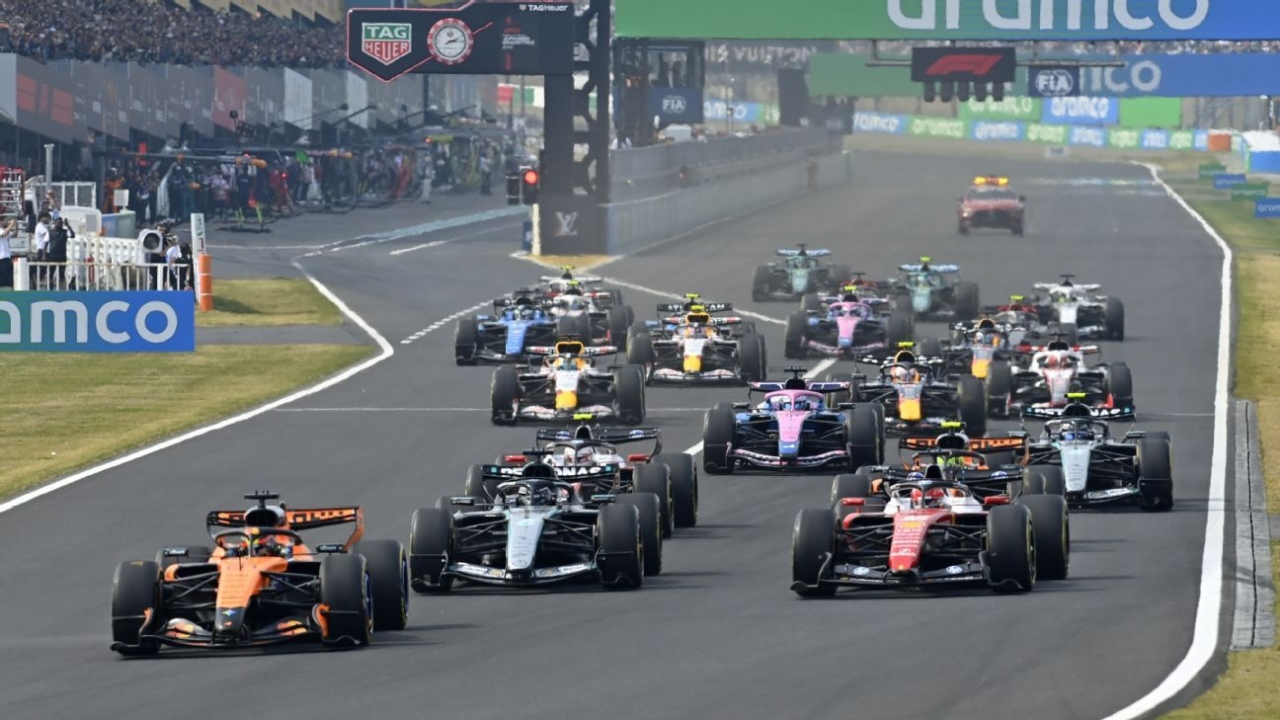
After three races into a new season and a fresh set of regulations, the Formula 1 2026 season has encountered an unforeseen halt.
Fans, teams, and drivers of F1 will now have to wait five weeks until the next race, following the cancellation of events in Bahrain and Saudi Arabia due to the conflict in Iran.
Following the Japanese Grand Prix, which was claimed by Kimi Antonelli, we have examined what lies ahead and the reasons behind F1’s unusually quiet April.
What prompted the cancellation of the races?
The decision stemmed from safety issues, as the regional situation was considered too volatile for the races to proceed.
Announcement of the cancellations was made on March 14, just shy of a month before F1 was scheduled to travel to Bahrain, partly due to the sport’s intricate logistics, including deadlines for teams to transport equipment to the Middle East.
Sources informed ESPN that the decision to cancel Bahrain was straightforward, while the choice regarding the Saudi Arabian Grand Prix was more complex.
When will the next F1 race occur?
The Miami Grand Prix is now the next event on the calendar, set to take place from May 1-3, around the Miami Dolphins’ stadium.
The Bahrain Grand Prix was originally planned for April 12, followed by the Saudi Arabian Grand Prix on April 19.
This results in a five-week, or 35-day, interval between races.
Why is there such an extended gap? Could F1 have filled it?
In truth, there was minimal opportunity to fill the gap.
F1’s schedule is arranged months in advance, with complex logistics supporting each race.
Organizing a replacement race on short notice would necessitate a venue ready to host immediately, along with all essential operational and organizational backing, while having little to no time for ticket sales. This was not feasible within the given timeframe, leaving F1 without any practical alternative events to add to the calendar.
– Max Verstappen contemplating retirement from F1 at the end of 2026 – reports
– Carlos Sainz: FIA overlooked driver warnings prior to Oliver Bearman crash
– Japanese Grand Prix: Kimi Antonelli secures second consecutive victory for Mercedes
Why couldn’t the races simply be rescheduled?
Rescheduling was not a viable option.
The calendar is already densely packed, with limited flexibility to shift races later in the year without causing broader disruptions. Creating space for two additional grands prix would have necessitated substantial adjustments elsewhere on the schedule.
Moreover, there is no assurance regarding how the situation in the region will evolve, complicating the guarantee that postponed races could be conducted safely at a later time.
Ultimately, outright cancellation of the events offered the clearest and most stable solution for the remainder of the season.
There are additional races planned in the region: in Qatar on Nov. 29 and the season finale in Abu Dhabi a week later. F1 officials remain optimistic that these two races will proceed as planned.
Will the break affect the title race?
The absence of two races heightens the possibility of a tighter points distribution among the leading teams and drivers — so theoretically, yes.
The five-week hiatus also provides teams with the chance to analyze data from the initial rounds and familiarize themselves with their 2026 cars.
This could advantage those at the forefront, such as leaders Mercedes and the pursuing group led by Ferrari, as well as those further back, like Aston Martin.
With additional reporting from ESPN’s Nate Saunders.
Source: espn.com
