
Carlos Sainz: FIA overlooked driver alerts prior to Oliver Bearman incident
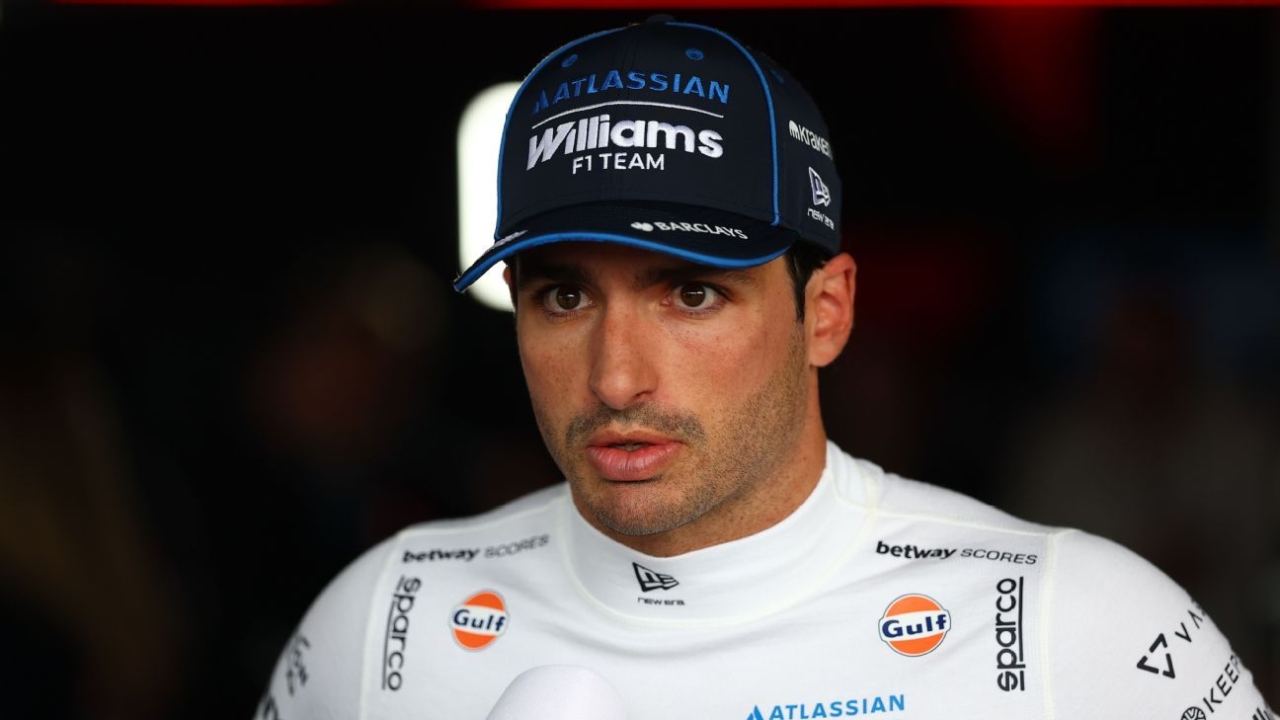
Carlos Sainz criticized Formula 1 and its governing body, the FIA, for disregarding driver alerts regarding the potential for the type of crash that Oliver Bearman experienced at the Japanese Grand Prix, stating they resisted modifications “because the racing is thrilling”.
Bearman managed to walk away from a 308 km/h collision with the barriers at Spoon corner after losing control of his vehicle while approaching Alpine’s Franco Colapinto at a significantly higher speed. He escaped without any fractures, although he did suffer a contusion to his right knee.
Drivers have consistently expressed concerns regarding the significant speed disparities caused by F1’s new hybrid engines, which provide every car with a battery boost to utilize throughout a lap.
With a month-long break from racing until the Miami Grand Prix due to the cancellation of two events in the Middle East, Sainz remarked that Bearman’s incident should lead to modifications in the regulations concerning battery deployment levels.
“To be honest, I am eager to see what FOM [Formula One Management] and the FIA will propose for the new regulations; I am optimistic that we will develop something improved for Miami, especially considering the accident involving Ollie that we witnessed today, which we have been warning them about,” Sainz told Sky Sports F1.
“These types of closing speeds and incidents were always likely to occur, and I am not particularly satisfied with the current situation, and I hope we can find a better solution that reduces these significant closing speeds and promotes safer racing.”
Prior to the race in Japan, F1 and the FIA agreed to adjust deployment levels for qualifying, aimed at preventing drivers from needing to harvest excessive battery power through some of the circuit’s high-speed corners. However, no alterations have been made to the racing despite requests for changes.
– Oliver Bearman limps away from Japanese Grand Prix crash
– Kimi Antonelli secures second straight win for Mercedes at Suzuka
One consequence of the new battery boosts has been an increase in back-and-forth racing dynamics among drivers.
When asked if Bearman’s crash would bolster the drivers’ case, Sainz indicated that the sport’s regulators had favored spectacle over driver safety.
“Yes, that’s why I was so taken aback when they stated, ‘No, we will address qualifying and leave the racing unchanged, because it’s exciting’. As drivers, we have been very vocal that the issue is not limited to qualifying; it also pertains to racing, and we have been cautioning that this type of accident was inevitable.
“We were fortunate that there was an escape road. Now, envision going to Baku or Singapore or Las Vegas and experiencing these kinds of closing speeds and crashes near the barriers. We, as the GPDA, have alerted the FIA that these accidents are likely to occur frequently with this set of regulations, and we need to implement changes soon to prevent them.
“I heard it was 50G, which is greater than my crash in Russia in 2015, where I experienced 46G. Just consider the potential severity of a crash in Vegas, Baku, etc. I hope this serves as a wake-up call and that the [FIA and FOM] heed the drivers’ concerns rather than solely listening to the teams and those who claim the racing is acceptable, because it is not.”
Despite the regulatory changes to qualifying, drivers remained dissatisfied with the experience of racing F1’s new cars during a single flying qualifying lap.
Reigning world champion Lando Norris expressed that it “hurts the soul” to feel his car losing significant power due to the phenomenon known as “super clipping”, which results in a decrease in top speed as the hybrid engines harvest energy for the battery, even while the driver is fully accelerating.
Source: espn.com

