
Preseason Preparation: A Guide for Coaches
Preseason preparation is essential for the growth of your team.
Students are returning to school with fresh supplies and textbooks following their summer break. Soon, the focus will shift to the much-anticipated hockey season. However, prior to sharpening skates and taping sticks, coaches can engage in their own preparatory work through preseason planning.
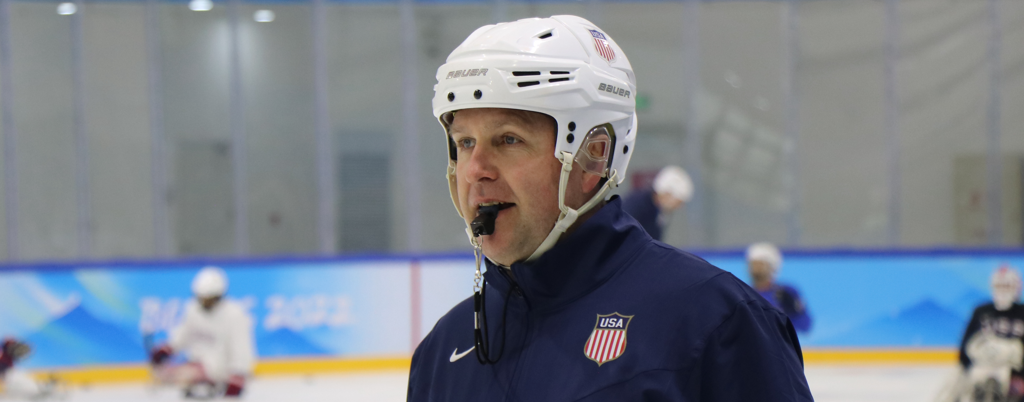
David Hoff, a seasoned educator and coach who currently leads the U.S. Paralympic Sled Hockey Team and the U.S. National Sled Team, as well as serving as the USA Hockey Northern Plains District Coach-In-Chief, has experienced various phases in his coaching journey. He offers his perspectives on how coaches can effectively commence the season.
Coaches’ Meeting
Before the team takes to the ice, it is vital for the coaching staff to align their objectives. Regardless of the duration of your team’s collaboration, conducting an initial meeting with coaches is essential for presenting a united front on the ice.
“You will outline what is significant for the season, what the objectives are for the season,” Hoff stated. “I view it as both long-term and short-term. By the end of the season, this is what we aim to achieve. But in the short term, what are the objectives we are targeting for October? It’s about breaking it down into smaller time frames and concentrating on what needs to be done to reach those objectives.”
As the head coach in the first meeting, Hoff prefers to initiate the dialogue by inviting his assistants to share their thoughts before he contributes. He noted that this approach encourages less experienced coaches to express their genuine opinions more comfortably.
“Too frequently, assistant coaches simply concur with you, and while they are there to enhance the team, they are also there to improve the staff,” Hoff remarked. “They may have a different perspective that needs to be considered, so I want to hear all of their viewpoints.”
Setting Expectations
During your initial coaches meeting, you can also establish expectations for yourself, your staff, and your team. What time do you anticipate players to arrive at the rink prior to practices or games? How frequently will you conduct off-ice or dryland activities? What key areas do you want to emphasize as the season unfolds?
“When it comes to expectations, it’s not about lowering the bar; it’s about raising it. We’re aiming to clear the bar,” Hoff compared. “It’s crucial that we, as a staff, are all reinforcing the same principles.”
Hoff again values input from his coaching staff. While there may be disagreements prior to the meeting, it is preferable to resolve these differences before the season begins rather than during it. It is your responsibility, along with the staff, to uphold the expectations established in that meeting. To achieve this, alignment is necessary.
“I consider everyone who will enforce or ensure that these expectations are fulfilled,” Hoff stated. “A preseason coaching meeting is about ensuring that when we address goals and expectations, we are all aligned moving forward, even if there were some disagreements in our meeting.”
Define Success and Goals
Each team is unique, and your objectives and definition of success should vary each season as well. For youth coaches, success should encompass more than just wins and losses.
“It’s about much more than winning. Ultimately, we often evaluate coaches and others based on their win-loss record,” Hoff explained. “However, success transcends merely winning games.”
While some aspects may depend on age, it is beneficial to have a clear vision of what a successful season entails. For younger players, a goal might simply be to enable them to perform crossovers in both directions, maintain puck control with their heads up, or execute a tape-to-tape backhand pass. Regardless of age, enjoyment should remain the top priority.
“The wonderful aspect of USA Hockey is the abundance of resources available. You can discover what to focus on at 8U, 10U, or 12U levels,” Hoff noted.
Hoff emphasized that hockey-related goals should only be part of the overall equation.
“Ideally, we’re fostering kids socially, emotionally, and physically, developing them into productive citizens, which is far more significant,” Hoff remarked. “Statistically, we all recognize that most kids will not pursue a career in hockey later in life. However, we can cultivate individuals who cherish the game and are respectful members of society, and there are numerous ways we can achieve this.
“Sometimes we overlook the impact we can have on kids beyond hockey, and it presents a tremendous opportunity.”
Team Meeting With Players and Parents
After engaging with coaches and finalizing your roster, the next step is the season kickoff meeting with parents and players. This is your chance to communicate your plans, expectations, and goals for the season. Again, Hoff emphasized that coaches should encourage feedback from parents to foster a two-way dialogue.
“No adult wants to feel as though they are being lectured,” Hoff stated. “If you can present the expectations and goals in a manner that invites parent input, they will want to be involved in the process.
A crucial element in securing parent support is establishing clear communication channels. During your initial meeting, it is important to outline the ground rules. How long after a game will feedback be accepted, or how frequently will updates be provided?
“That absolutely should be included. Throughout the season, there will be instances where parents may have concerns, and there will be situations where kids may not respond appropriately, and we need to address those, so having a process in place is essential,” Hoff explained.
However, communication should not cease after the first meeting. Coaches can utilize technology, such as email or messaging apps, to maintain contact with parents throughout the season. Sharing progress, updates, or reminders can serve as effective check-ins during the year.
“I suggest considering a mid-season meeting; these are beneficial for preventing issues that might arise if they are not addressed,” Hoff advised. “Let’s aim to prevent problems rather than having to resolve them afterward.
“It’s important to remember that both parents and coaches share the same ultimate goal,” Hoff added.
