
VAR analysis: Reasons Chelsea warranted a penalty for ‘unintentional’ handball
The video assistant referee generates debate weekly in the Premier League, but what is the decision-making process and are the outcomes accurate?
This season, we will analyze significant incidents to clarify the procedures regarding VAR protocol and the Laws of the Game.
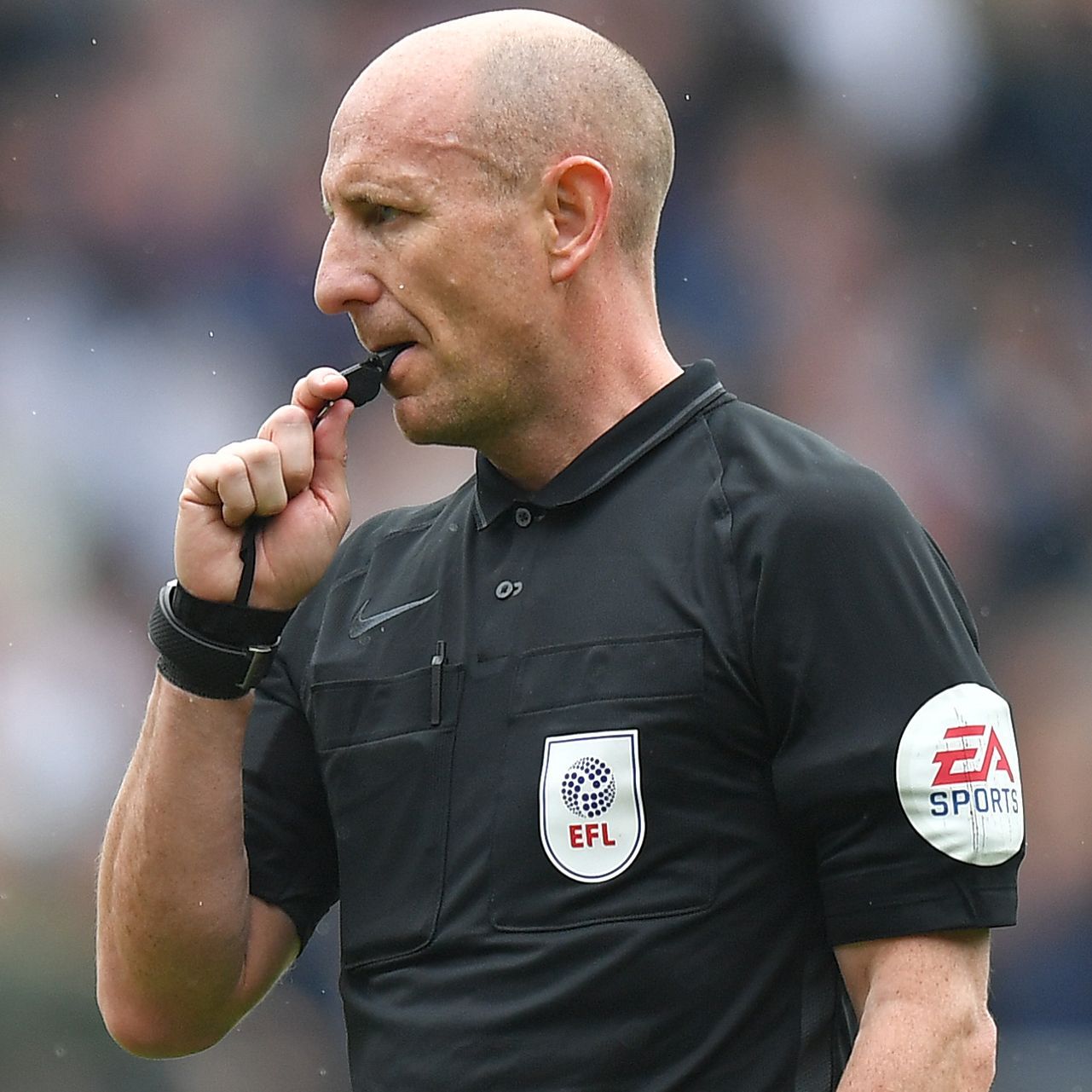 Andy Davies (@andydaviesref) is a former Select Group referee with over 12 seasons on the elite list, officiating in both the Premier League and Championship. With substantial experience at the top level, he has worked within the VAR framework in the Premier League and provides a distinct perspective on the processes, reasoning, and protocols implemented on a Premier League matchday.


Crystal Palace 1-3 Chelsea
Referee: Darren England
VAR: Mathew Donohue
Time: 63 minutes
Incident: Jaydee Canvot handball, penalty awarded and converted by Chelsea
What occurred: Chelsea forward João Pedro had a clear opportunity at goal thwarted by the last Palace defender, Jaydee Canvot. His shot would have found the net had Canvot not obstructed it with his arm, which was positioned by his side.
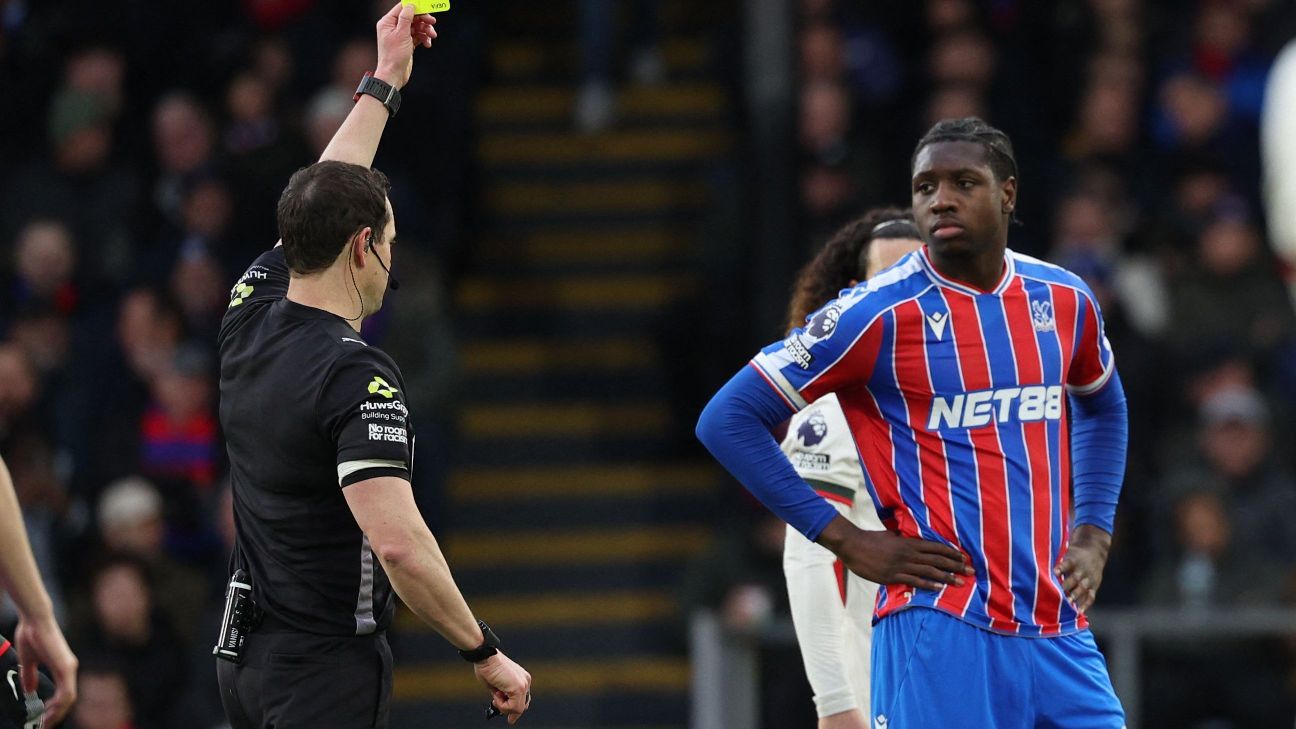
VAR decision: Initially, a penalty was not awarded, but referee Darren England was directed to the monitor by VAR official Mathew Donohue. Upon review, England informed the crowd via his headset that the handball was “accidental,” yet a penalty would still be issued. Canvot received a yellow card instead of a red.
Verdict / Insight: Crystal Palace supporters at Selhurst Park expressed relief when the referee characterized the handball as accidental, only to be confused when a penalty was still awarded. Nevertheless, referee England and VAR official Donohue executed this decision correctly.
This intervention by VAR was appropriate and aligned with the new handball law introduced last season.
In prior seasons, a handball that prevents an opponent from having a clear goal or goal-scoring chance—whether intentional or unintentional—would result in a penalty and the player being sent off. However, the recent law change allows the offending player in this situation to avoid dismissal and receive a yellow card instead, while the penalty is still awarded.
This was a constructive VAR intervention, correctly supported by the referee.


Manchester City 2-0 Wolves
Referee: Farai Hallam
VAR: Darren England
Time: 37 minutes
Incident: Potential handball by Wolves defender Yerson Mosquera
What occurred: Man City player Omar Marmoush maneuvered back inside the Wolves defender. The ball appeared to hit the outstretched arm of Mosquera. Referee Hallam allowed play to continue.
VAR decision: VAR Darren England, after an extended review, concluded that the Wolves defender’s left arm was in an unnatural position and suggested an on-field review for a potential penalty for handball. Referee Hallam, making his Premier League debut, went to the monitor and opted to maintain his original decision that no handball offense had occurred by the Wolves defender.
Verdict / Insight: It is uncommon for a referee to review the monitor and reaffirm their own decision; for Hallam to do so on his Premier League debut demonstrates courage and conviction.
Hallam is the first Premier League referee this season to uphold his own penalty call after consulting the monitor. However, there will be discussions regarding whether the correct conclusion was reached.
In this case, the VAR intervention was appropriate. The visuals clearly indicate that the Wolves defender’s arm was in an unnatural position when the ball made contact.
The defender’s arm was in a natural position until the ball was redirected backward by the City attacker Marmoush—Mosquera’s arm then clearly extended outward, away from his body and was fully outstretched.
This incident fulfilled the criteria for a handball offense as defined by law:
• A player is deemed to have made their body unnaturally larger when the position of their hand/arm is not a result of, or justifiable by, the player’s body movement for that specific situation. By positioning their hand/arm in such a manner, the player risks their hand/arm being struck by the ball and facing penalties.
There appears to be some debate surrounding this incident, primarily focused on Hallam’s bold decision to uphold his on-field ruling on his Premier League debut; however, the most crucial aspect is that the refereeing team ultimately arrived at the correct decision, and this was a clear handball offense according to the current guidance and interpretation— a penalty should have been awarded.
