
VAR analysis: Reasons behind Man United’s Martinez receiving a red card for hair pulling
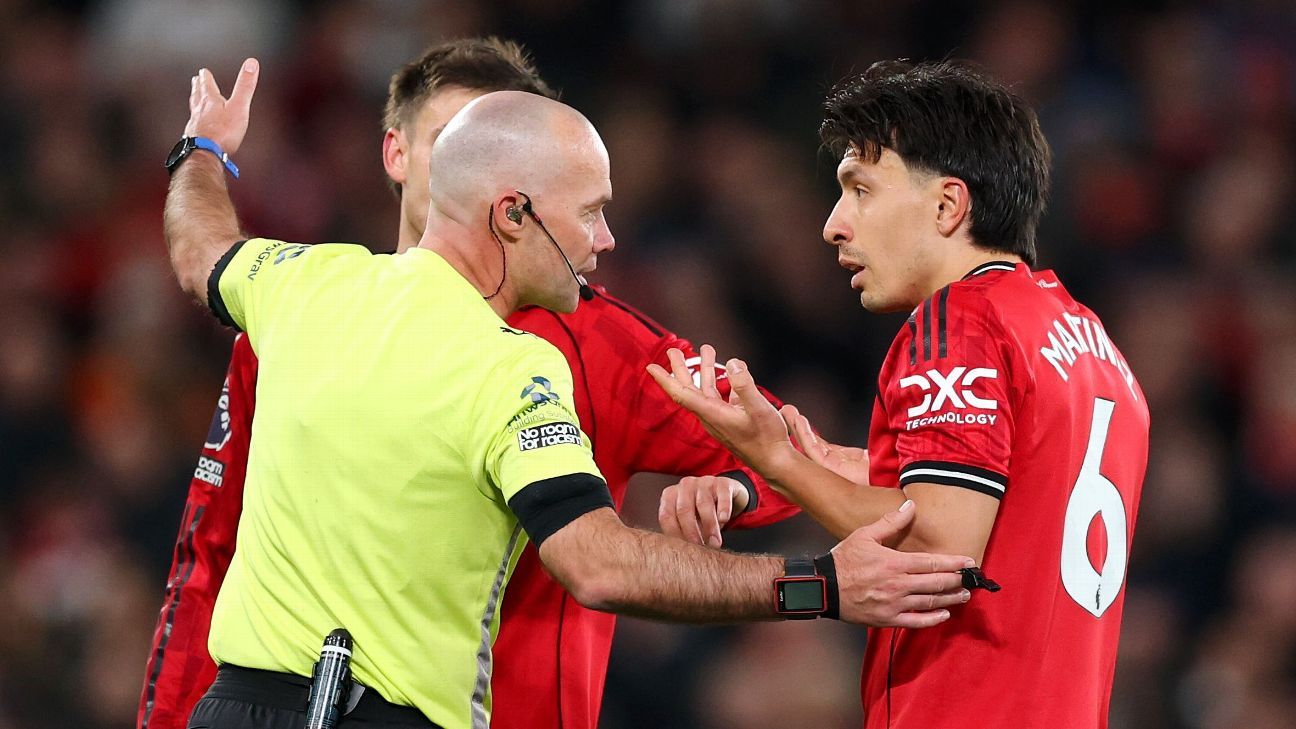
The video assistant referee generates debate weekly, whether in the Premier League, Champions League, or FA Cup, but how are these decisions reached, and are they accurate?
This season, we will analyze significant incidents to clarify the process regarding both VAR protocol and the Laws of the Game.
 Andy Davies (@andydaviesref) is a former Select Group referee with over 12 seasons on the elite list, officiating in the Premier League and Championship. With substantial experience at the top level, he has worked within the VAR framework in the Premier League and provides a distinctive perspective on the procedures, reasoning, and protocols implemented on a Premier League matchday.


Manchester United 1-2 Leeds United
Referee: Paul Tierney
VAR: John Brooks
Incident: Lisandro Martinez red card
What happened: What seemed to be a harmless aerial challenge between Manchester United defender Martinez and Leeds United striker Dominic Calvert-Lewin led to a VAR review, resulting in the defender’s dismissal for pulling Calvert-Lewin’s hair.
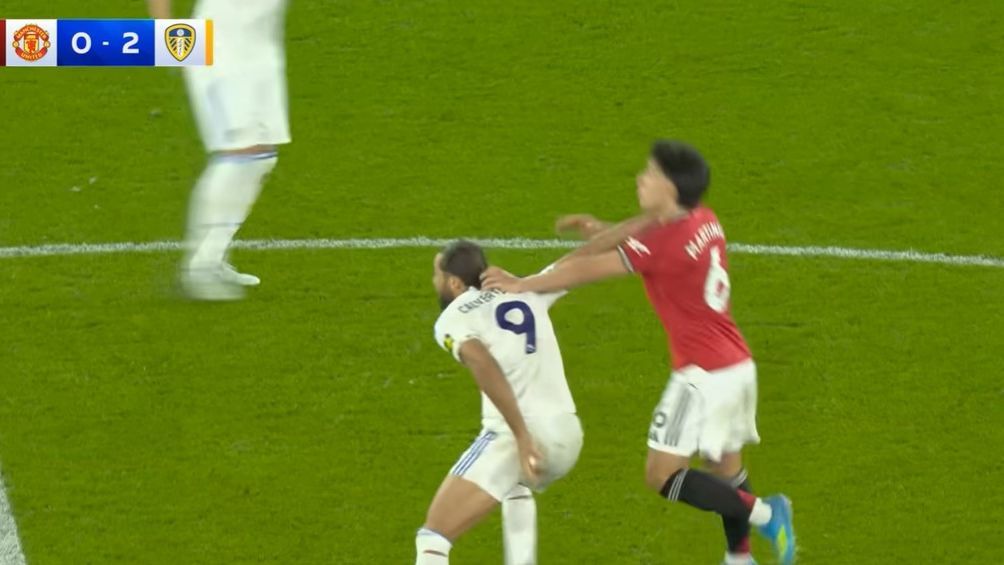
Credit: Sky Sports
Why was this a Red Card: In accordance with a new directive this season, referees have been instructed to enforce a strict standard whenever hair pulling occurs. This act is classified as non-football behavior and is not acceptable in a typical challenge. Such actions must be regarded as violent conduct and punished with a red card.
A precedent was established in the Premier League when Everton defender Michael Keane was penalized for a similar infraction against Wolves striker Tolu Arokodare in January. Keane also pulled the forward’s hair during an aerial contest.
Conversely, in the Women’s Champions League, Arsenal’s Katie McCabe was not penalized when she clearly pulled the hair of Chelsea player Alyssa Thompson. Neither the on-field officiating team nor the VAR recognized this incident as a red card offense, allowing the Arsenal player to escape punishment.
 Credit: ESPN
Verdict: Considering the current guidance from PGMO and the Premier League, the decision to dismiss Martinez was appropriate, although United may perceive it as severe. Additionally, the duration Tierney spent reviewing the incident suggests he was somewhat uneasy with the final decision to issue a red card. The level of contact was minimal, but the recent directive does not take such factors into account.
The rise in these types of incidents in recent seasons prompted authorities to convey a strong message that such actions would be met with zero tolerance, non-negotiable. While this position is unlikely to shift for the remainder of the season, discussions over the summer regarding the continuation of a zero-tolerance policy may be anticipated.
The incident in the Women’s Champions League, however, represented a clear oversight, as the action met all criteria for violent conduct independently of any new directives provided to match officials.
McCabe’s action was intentional and forceful, and it should have been recognized by the on-field referee and her fourth official. The lack of intervention by VAR was particularly disappointing and challenging to comprehend. It constituted a clear red card offense, and the Arsenal player ought to have been sent off.
