
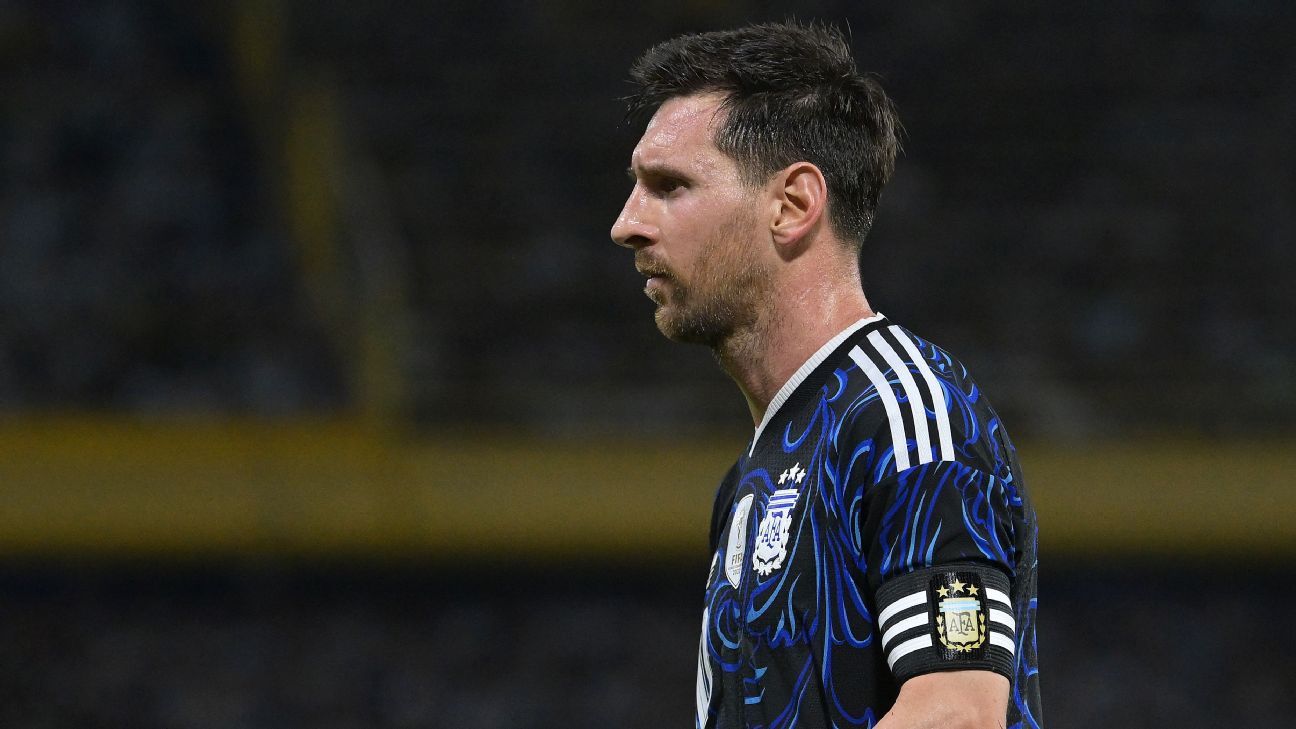
MIAMI — Lionel Messi is facing a lawsuit from a Miami-based event promoter who alleges that the soccer star breached the terms of a $7 million agreement by not participating in an exhibition match last year.
Vid Music Group initiated the legal action for fraud and breach of contract against Messi and the Argentine Football Association in Miami-Dade circuit court last month, as indicated by court documents.
Messi and the AFA have not yet responded to requests for comments.
Regarded as one of the all-time greats in soccer, Messi plays for both his Major League Soccer team Inter Miami and Argentina’s national squad, with fans often paying significantly higher prices to witness his performances.
The lawsuit states that Vid entered into an agreement with the AFA last summer for exclusive rights to organize and promote Argentina’s friendly matches last October against Venezuela and Puerto Rico in exchange for ticket, broadcast, and sponsorship revenues. Vid asserts that Messi was expected to participate for a minimum of 30 minutes in each match, barring injury.
The 38-year-old Messi observed Argentina’s 1-0 victory over Venezuela on October 10 from a suite at South Florida’s Hard Rock Stadium, according to the lawsuit.
The following day, Messi netted two goals in Inter Miami’s 4-0 MLS triumph over Atlanta. This match was crucial for Inter Miami, as it secured them home-field advantage for the first round of the playoffs.
On October 14, Messi took part in Argentina’s 6-0 victory against Puerto Rico. This match was initially scheduled to occur in Chicago, but low ticket sales in a city where Immigration and Customs Enforcement agents were conducting over 1,000 arrests prompted organizers to relocate the game to Florida. The AFA attributed the immigration enforcement actions to the smaller venue in Fort Lauderdale not selling out, even after ticket prices were lowered to $25 each.
Vid has not disclosed the amount of damages they are pursuing in the lawsuit, but they claim to have incurred millions in losses due to Messi’s absence from one game and the poor ticket sales at the other.
