
FIA secures F1 stewarding and engine reforms
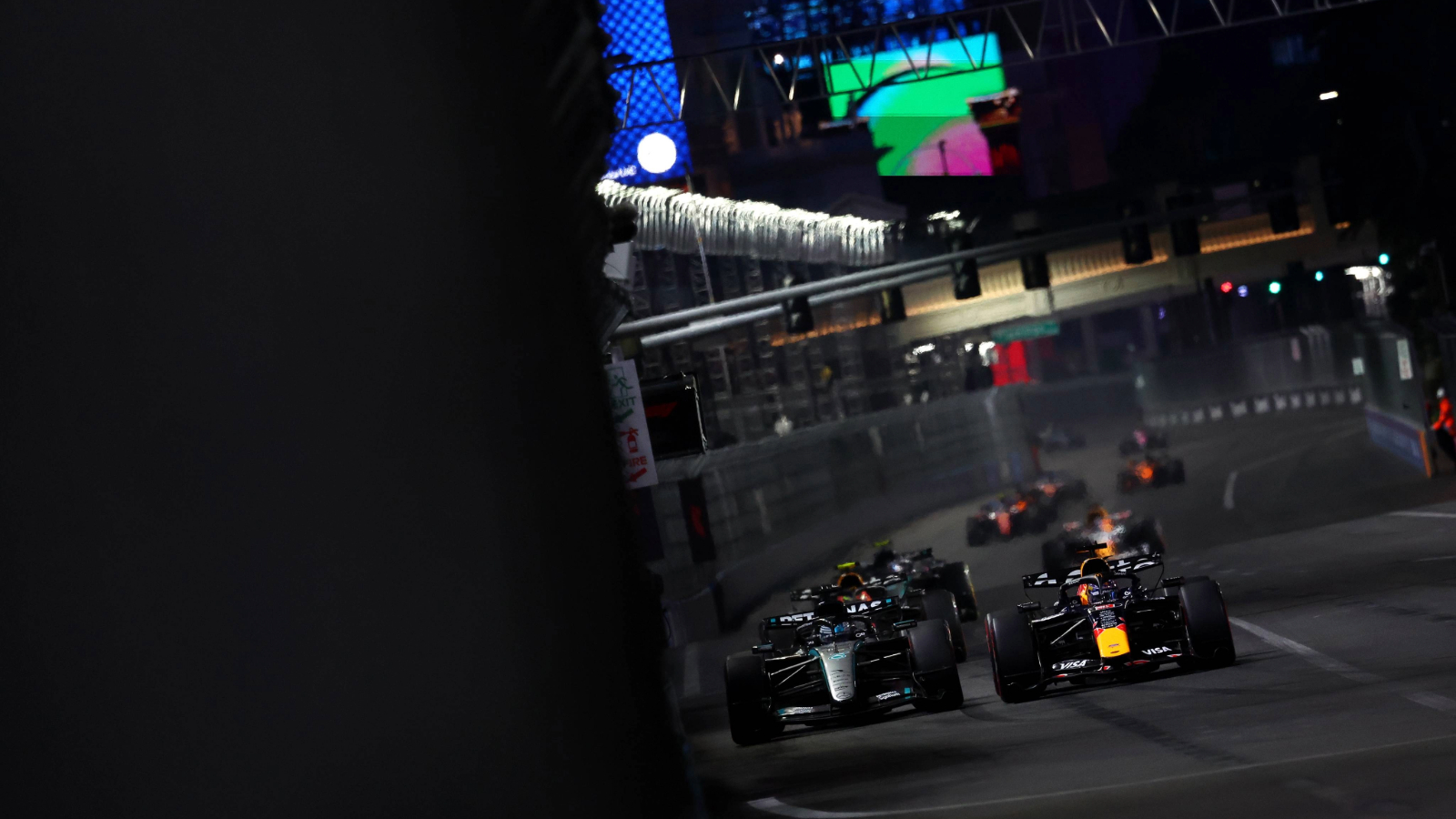
The timing was apt as Formula 1’s governing body deployed two strategic moves during the Las Vegas Grand Prix weekend.
Fans and experts alike have welcomed the news that a recruitment drive for 12 to 15 permanent stewards is underway for the full season.
A consensus was also achieved regarding the framework for reintroducing V8 engines in 2030, a move that has been met with widespread enthusiasm despite some initial doubt, with the concept receiving ‘thumbs-ups’ from many quarters.
The challenge now falls to the FIA to convert these verbal commitments into tangible actions, ensuring that the current optimism persists when these initiatives are fully implemented.
This marks a significant overhaul of the current stewarding system within the sport.
Stewarding hope into joy
Jack Oliver Smith notes that scrutiny over officiating extends beyond Formula 1 to various single-seater series. A persistent issue across recent campaigns has been the inconsistent severity of penalties handed to drivers between different events. While competitors often believe they are justified in their actions, frequent complaints suggest that punishments frequently fail to match the infractions, whether deemed too strict or too lenient.
The FIA intends to assemble a dedicated panel of stewards to manage proceedings throughout the entire season, moving away from the practice of appointing fresh officials for each Grand Prix. This new team will operate alongside the familiar Driver Stewards and utilize the organization’s Remote Operations Centre located in Biggin Hill to enhance decision-making.
These elements are staying, a positive outcome. Even though some have stepped away from the cockpit for years, the core racing principles and inherent risks persist. Having experienced these scenarios firsthand allows individuals to mentally detach, visualizing events through the visor with the benefit of prior knowledge.
Details regarding the stewards’ training and backgrounds remain scarce. In football, referees from different regions often show varying tolerance for player conduct, with South American and African athletes frequently exhibiting more physicality. VAR serves as a retrospective aid; despite justified criticism, its primary goal is to ensure consistent decision-making.
Stewards will now utilize a wide array of camera angles to examine track incidents, a development likely to guide them toward accurate rulings. Despite this improvement, questions regarding consistency in their decisions remain unresolved.
These officials are trained to assume the role of ‘12 Angry Men’, tasked with determining a driver’s fate based on specific guidelines. To ensure their judgments are robust, these rules must be precise, minimizing ambiguity and varying interpretations. This clarity should influence future sporting regulations, ensuring they possess similar definitive qualities, much like the black-and-white clarity of printed text, thereby eliminating grey areas.
The FIA has confirmed that V8 engines will make a return in 2030.
Powering up without charge
Jack Oliver Smith notes that reverting to V8 power is not a contentious topic for traditional Formula 1 enthusiasts. For newer fans who have never experienced the era of full internal combustion engine power, this change should also seem unremarkable. Unlike the debate over removing safety features such as the Halo or HANS device, this shift aims to restore the sport to its previous state: featuring fast vehicles that generate significant noise.
Environmental advocates may find little to object to, as sustainable fuels will enable the engines to run. This approach allows for the achievement of Net Zero targets while preserving the enjoyment for older fans like Smith.
However, this announcement introduces potential challenges. While celebrating the return of V8s is straightforward, there is currently no clear plan for how the cars will appear. Formula 1 has undergone numerous changes since it last utilized this engine configuration.
The essential fundamentals involve reduced weight and narrower diameters. By implementing appropriate aerodynamic regulations, the sport can create vehicles that are more agile. This shift could foster organic and exciting racing, offering a positive side effect: the ability to compete on circuits that lost their entertainment value when the cars became larger.
Cost is another key factor that does not alter the overall shape or aesthetics of the vehicle. With sustainable fuels becoming a mandatory requirement, their high price makes cost-cutting measures more critical than ever. Producing this type of engine offers a viable path to achieving these financial reductions.
The final two elements prove crucial for both competitors and their organizations. Drivers will likely rejoice at the chance to pilot these vehicles, especially the 17 who have never experienced them. For the five who have, it recalls what was ‘better back in my day!’
For the teams, it preserves what is technically “s**tload of cash”, creating engines with greater simplicity and reduced battery reliance. Cadillac plans to build its own power units by 2030, fulfilling a long-term strategy. Audi also expresses optimism about this direction, despite entering Formula 1 with an electrified focus, as is typical for them.
Now, the brief for F1 and the FIA is clear. You have delivered what the majority desired; now you must implement it. As Captain Jean Luc Picard of the Starship Enterprise stated:
Make it so.
Source: Jack Oliver Smith, Motorsport Week.
