
Impact of Adjustable Driver Hosel Settings on Ball Flight and Distance
If you purchased a driver within the past 15 years, you likely possess an adjustable hosel. Although these hosels indicate their intended effect on ball flight through labels like ‘lower’ and ‘higher’, one might wonder how significant the difference between these settings truly is.
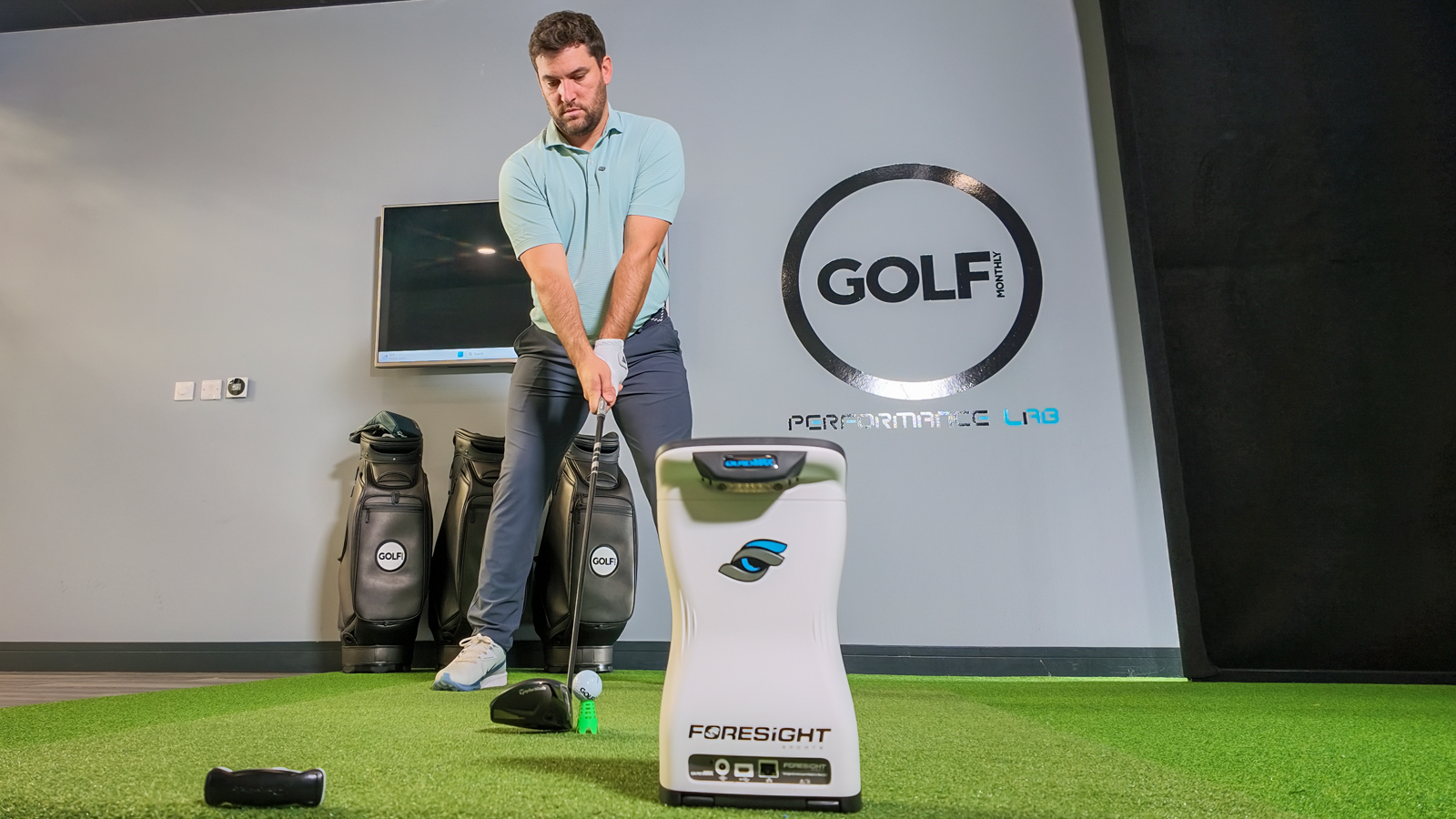
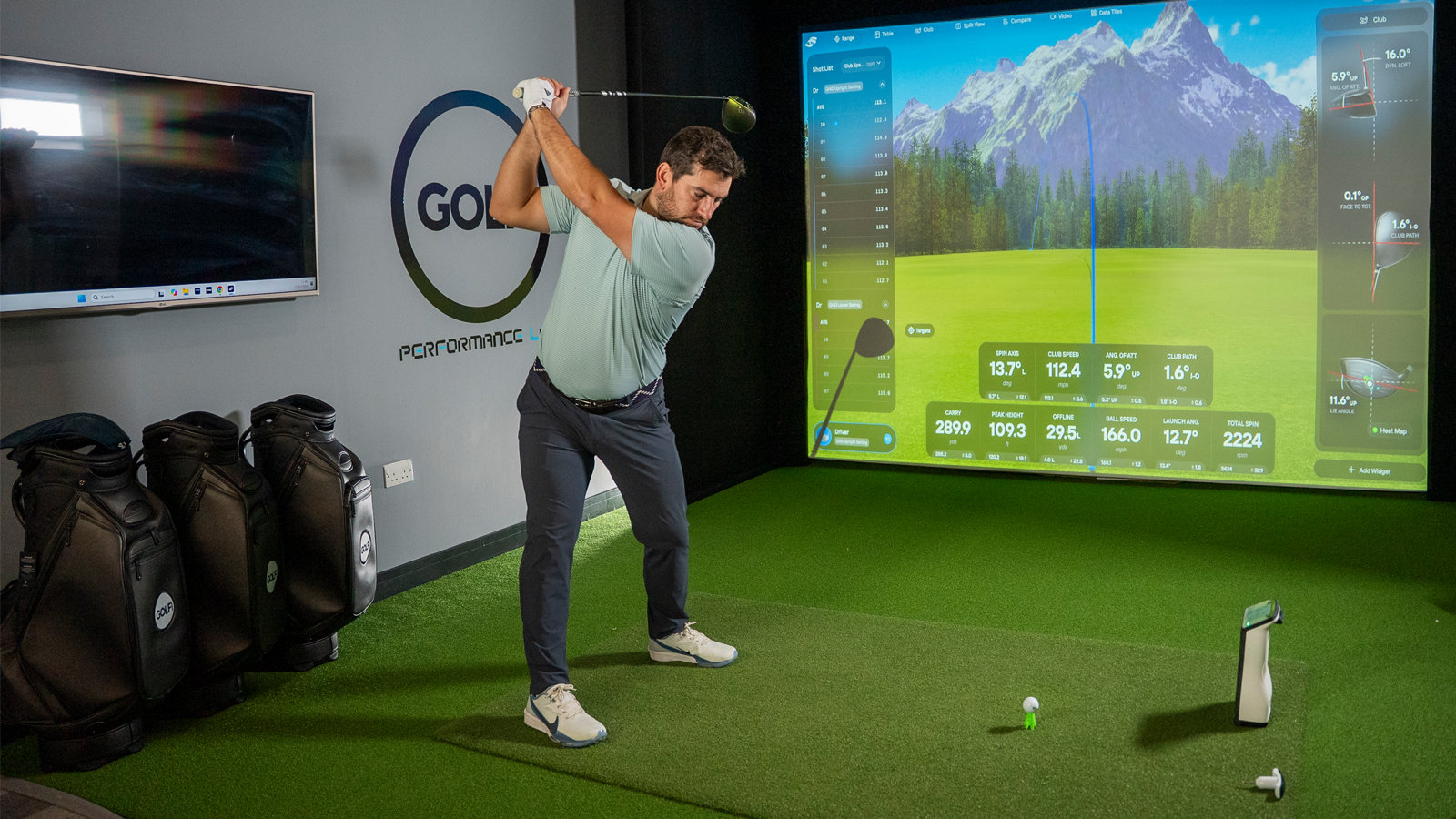
Driven by similar curiosity, I visited the Golf Monthly Performance Lab to utilize my Foresight Sports QuadMax launch monitor for data collection. The question was whether extreme settings drastically alter performance metrics or if the effect is merely a placebo.
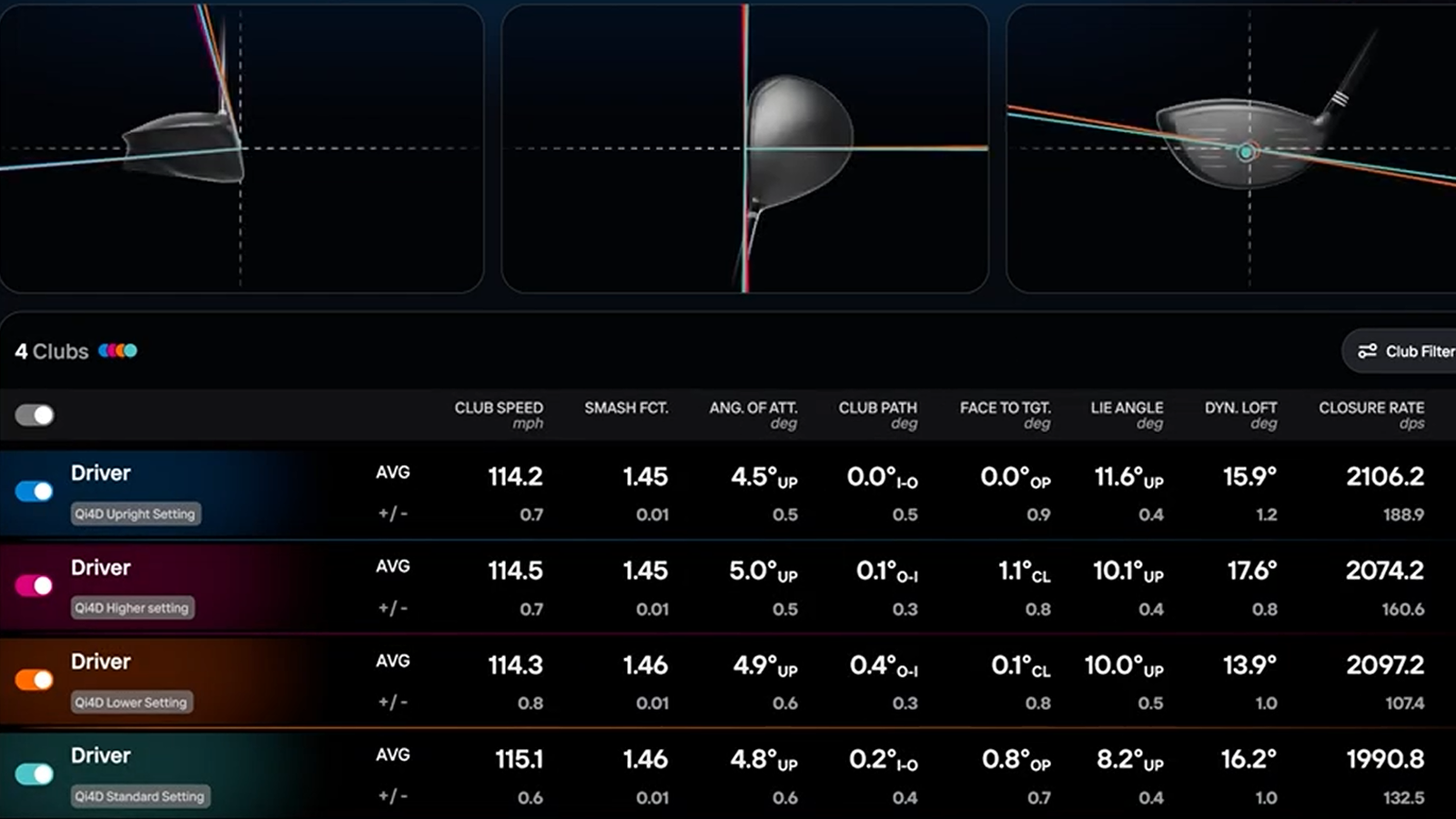
My objective was straightforward: evaluate my TaylorMade Qi4D 8° driver across its four primary settings—standard, lower, higher, and upright. To ensure adjustability was the sole variable, I maintained a consistent delivery, keeping clubhead speed between 114 and 115 mph and my usual upward angle of attack at approximately 4.5° to 5.0°.
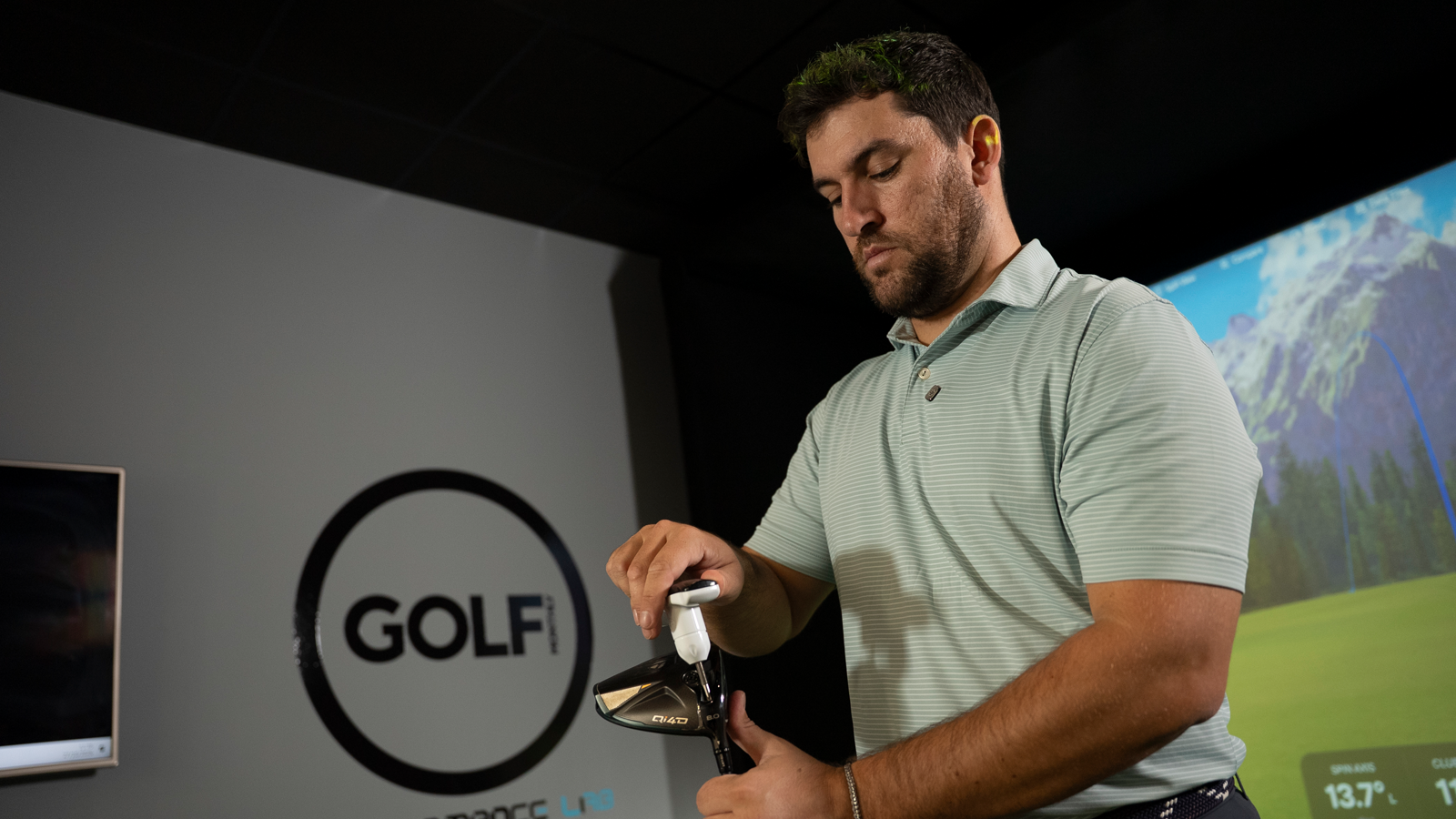
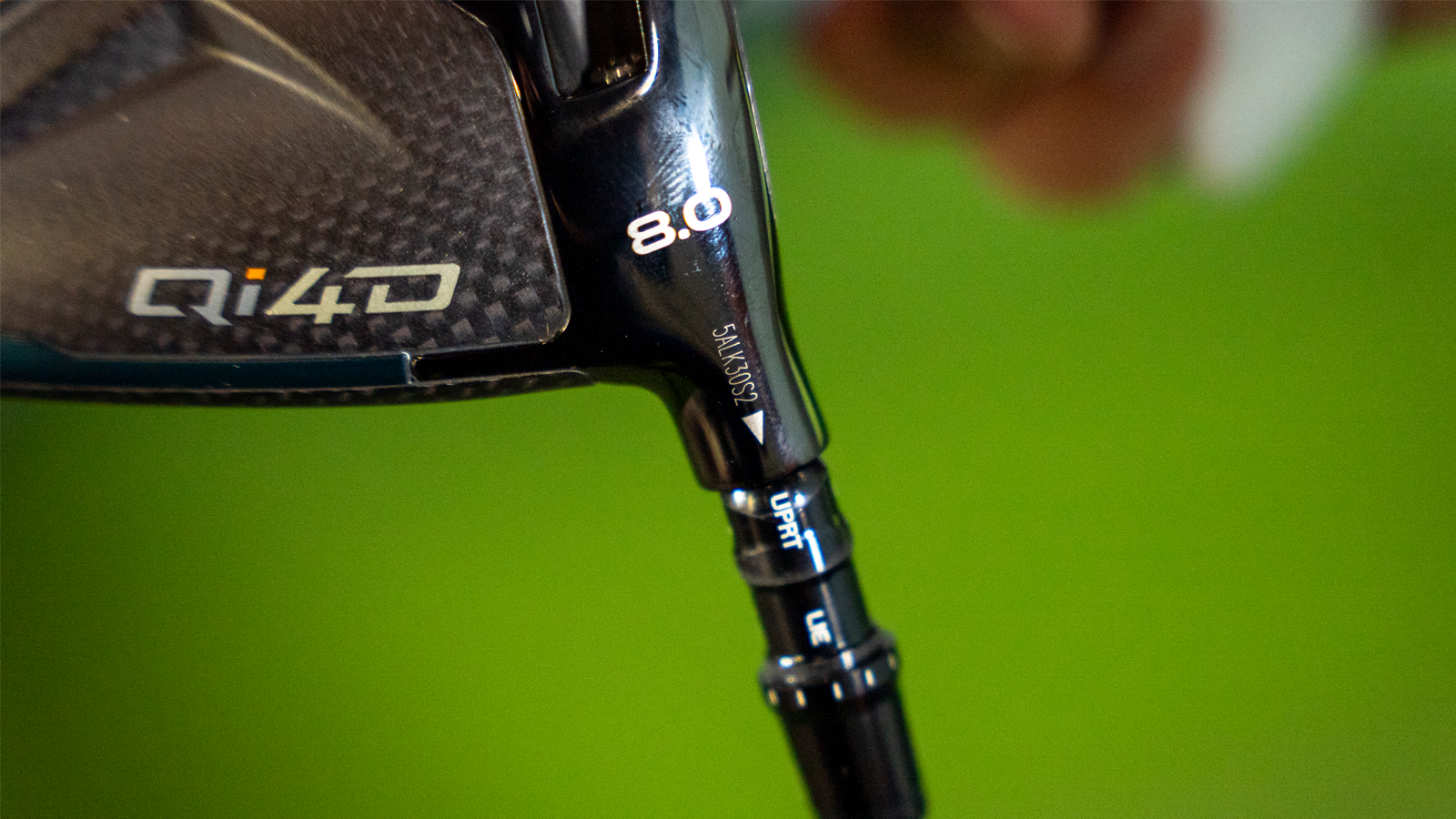
Sam De’Ath adjusting the TaylorMade Qi4D Driver(Image credit: Future)
I began with the driver in its standard setting, which matched the configuration I was fitted into roughly a year ago. Possessing considerable clubhead speed and a positive angle of attack, the stated 8° loft offered an ideal balance of launch and spin, keeping the ball airborne for an optimally sustained duration.
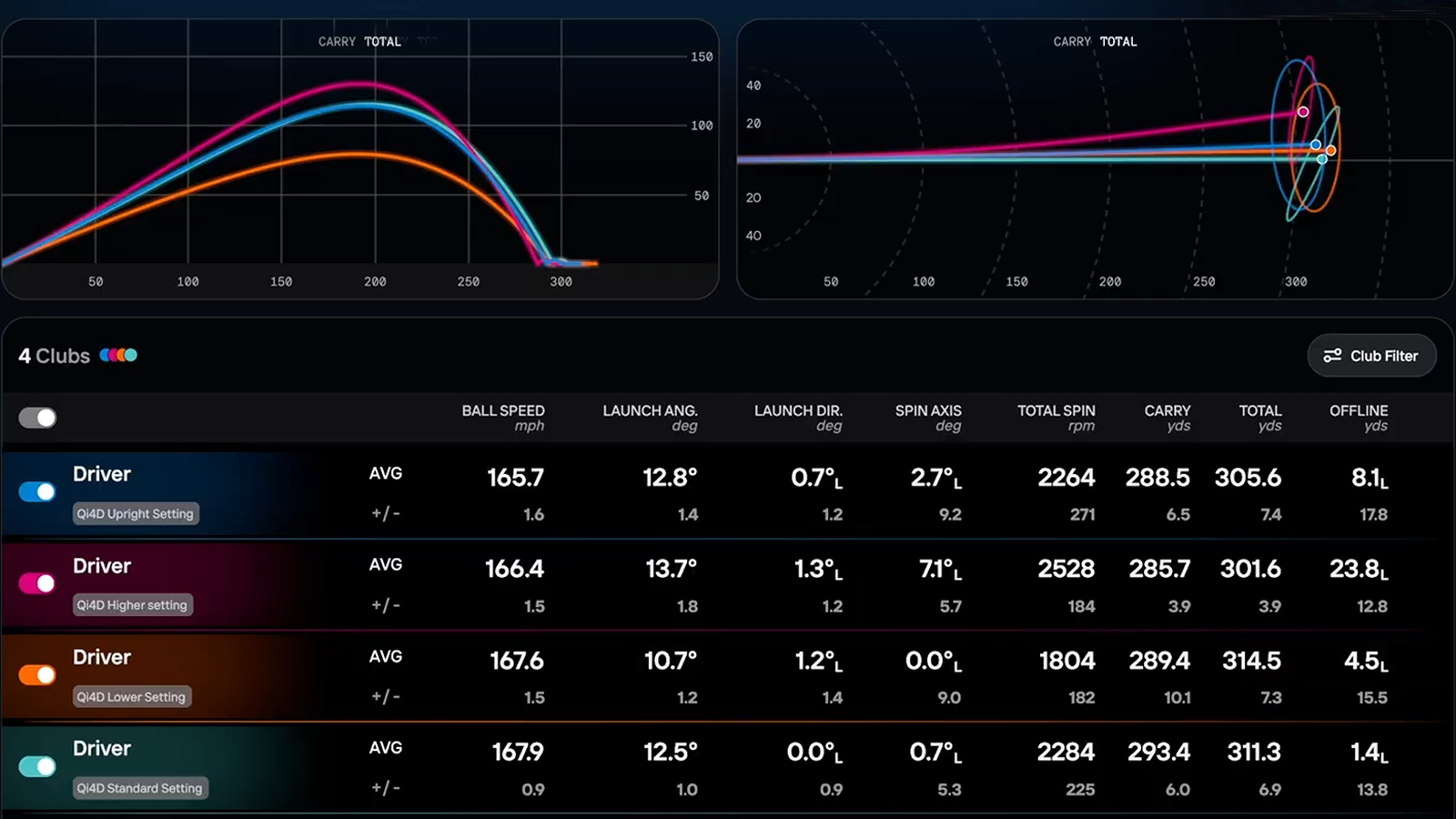
This baseline configuration produced a high ball speed of 167.9 mph and a dynamic loft of 16.2°. By generating an optimal launch angle of 12.5° and a spin rate of 2,284 rpm, it yielded a carry distance of 293.4 yards—a figure I would welcome on the course. However, I suspected greater distance was possible.
Switching the wrench to the Lower setting reduced the loft to 6°, and I was unprepared for the experience. With reduced face loft, I anticipated an increase in ball speed, which occurred, albeit marginally. Yet, this was not the complete picture.
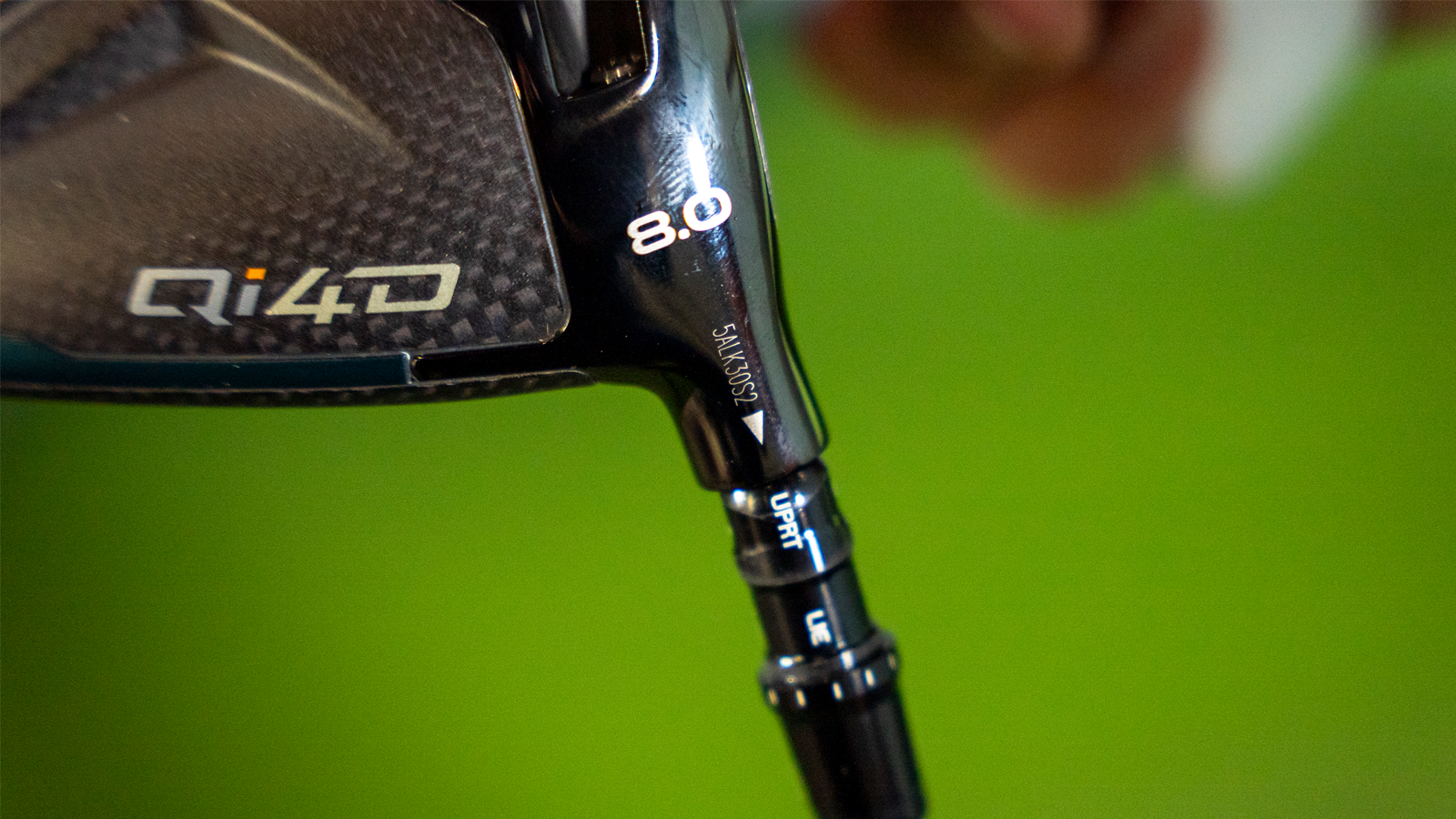
Adjusting the Qi4D driver to the lower setting removes 2° of loft and slightly opens the face at address.(Image credit: Future)
Ball speed climbed to 168 mph, and while I expected a more penetrating trajectory, I was not ready for the low-spinning projectiles that followed. Although carry distance decreased slightly, total distance increased to 314.5 yards due to sub-2000 rpm spin rates and a launch angle drop to 10.7°.
Despite this, my strike consistency became highly unpredictable. Noticing the reduced loft on the clubface, I likely leaned back subconsciously to boost launch. While this succeeded occasionally, the ball flights displayed on the screen resembled a fireworks display, with tracers scattering everywhere.
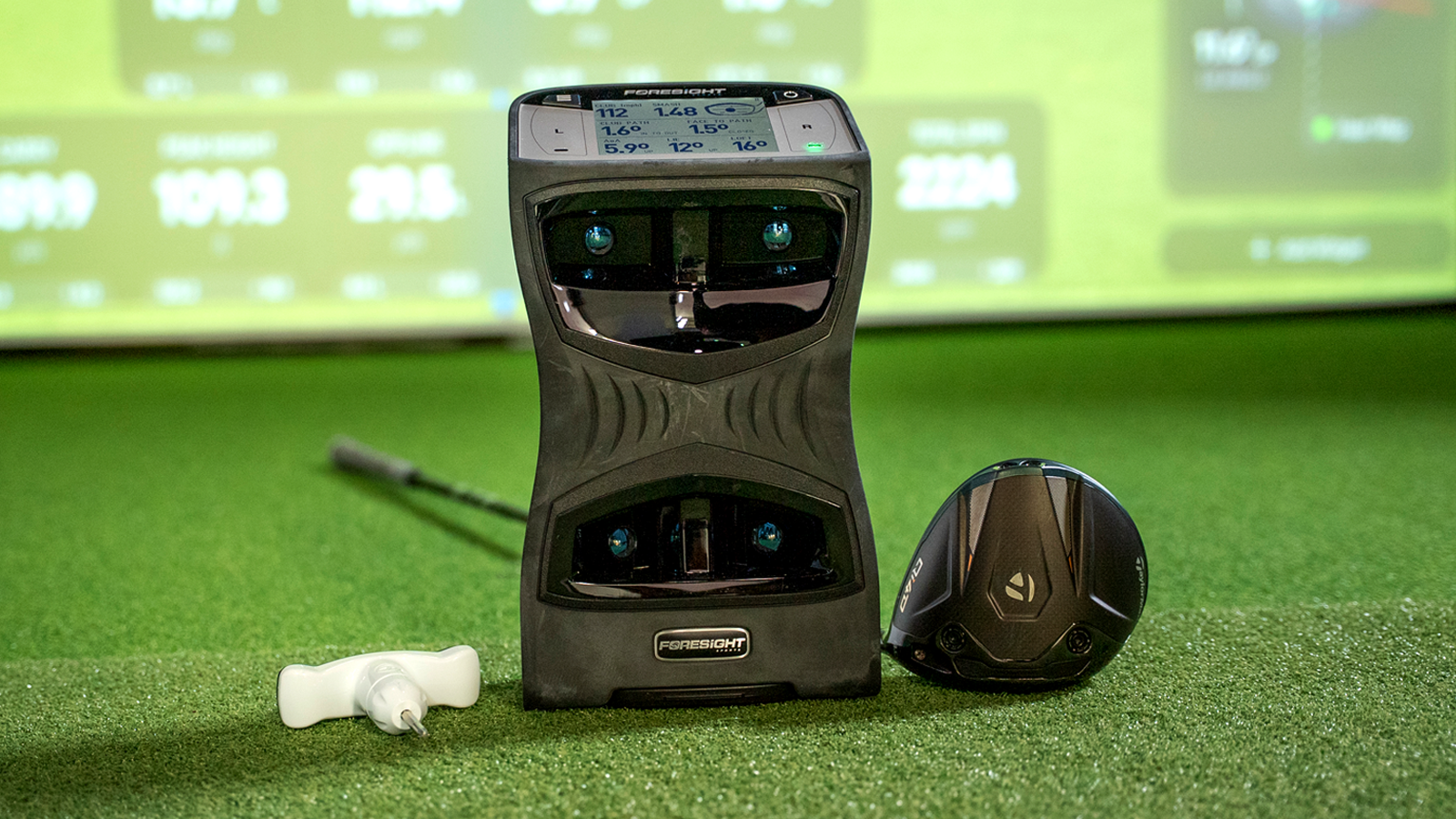
The data and ball flights gathered from a Foresight Sports QuadMax Launch Monitor(Image credit: Future)
Ultimately, I achieved increased speed and overall distance, but on narrower courses, you might reconsider reaching for the wrench in your bag.
Given my naturally fast swing speed and upward attack angle, I fully expected the higher setting to hinder distance, and the launch monitor confirmed this theory.
Adding loft physically introduces more backspin at impact, causing the ball to balloon upward rather than maintain forward momentum. My dynamic loft rose to a peak of 17.6°, launching noticeably higher at 13.7° and spiking the spin rate up to 2,528 rpm.
The extra loft created a more glancing blow, causing ball speed to drop to 166.4 mph. I recorded my shortest carry of 285.7 yards and shortest total distance of 301.6 yards for the session.
Sam De’Ath in the Golf Monthly Performance Lab conducting the experiment(Image credit: Future)
While carry decreased when increasing loft to 10°, as we enter winter in the UK and fairways soften, you will want to prioritize carry since roll becomes nearly negligible.
Increasing loft also marginally closes the face angle, which was immediately apparent during this test. I consistently observed a high, towering draw, which turned into a hook when my strike shifted slightly toward the toe.
“Before you buy a whole new driver to cure a certain miss, check your hosel. A few clicks of a hosel might be the most efficient, cost-free swing fix you could ask for.”
Sam De’Ath
Finally, I tested the Upright setting, which positions the shaft more vertically at address to alter the lie angle, pointing the clubface more left (for right-handed players) and promoting a draw-biased ball flight. I anticipated the raw distance numbers would closely mirror the standard setting, just with a different start line and curvature.
Since I was adjusting only the lie angle and not the loft, the launch and spin characteristics remained remarkably stable and similar to the standard setting. My dynamic loft was 15.9°, producing a launch angle of 12.8° and a robust 2,264 rpm of spin—data closely matching my ‘baseline’ figures.
The club data and strike locations gathered and shown in Foresight Sports Premier software(Image credit: Future)
This provided a respectable 288.5 yards of carry and 305.6 yards of total distance, proving to be an effective method for tweaking the face-to-path relationship to stabilize a ball flight that tends to fade right, without sacrificing baseline driver efficiency. If you struggle with a slice, this is worth trying.
Whether seeking more distance, a higher flight, or a specific ball flight, I can confidently state that a few clicks with your wrench can achieve this. Changing the hosel setting directly alters the stated loft, which I have proven significantly impacts launch and spin characteristics.
The Upright setting is an excellent option for those who typically slice off the tee.(Image credit: Future)
One final note is that I tested this with a golfer who swings the club at approximately 88 mph using his fitted driver. The overall ball flights and spin numbers behaved very similarly to my results when adjusting the loft.
The only difference was that his carry dropped more significantly relative to his usual carry yardage (around 210 yards). We observed a loss of approximately 22 yards of carry, likely due to insufficient speed combined with too little loft presented on the club.
Sam De’Ath testing the hosel settings in the Golf Monthly Performance Lab(Image credit: Future)
My expectations before the experiment were largely confirmed by the launch monitor data, but it was fascinating to observe how much the ball flights differed when tested side by side. If you are looking for a new option off the tee, do not underestimate the impact of a simple hosel adjustment.
