
Is Swing Speed the Key Driver Choice?


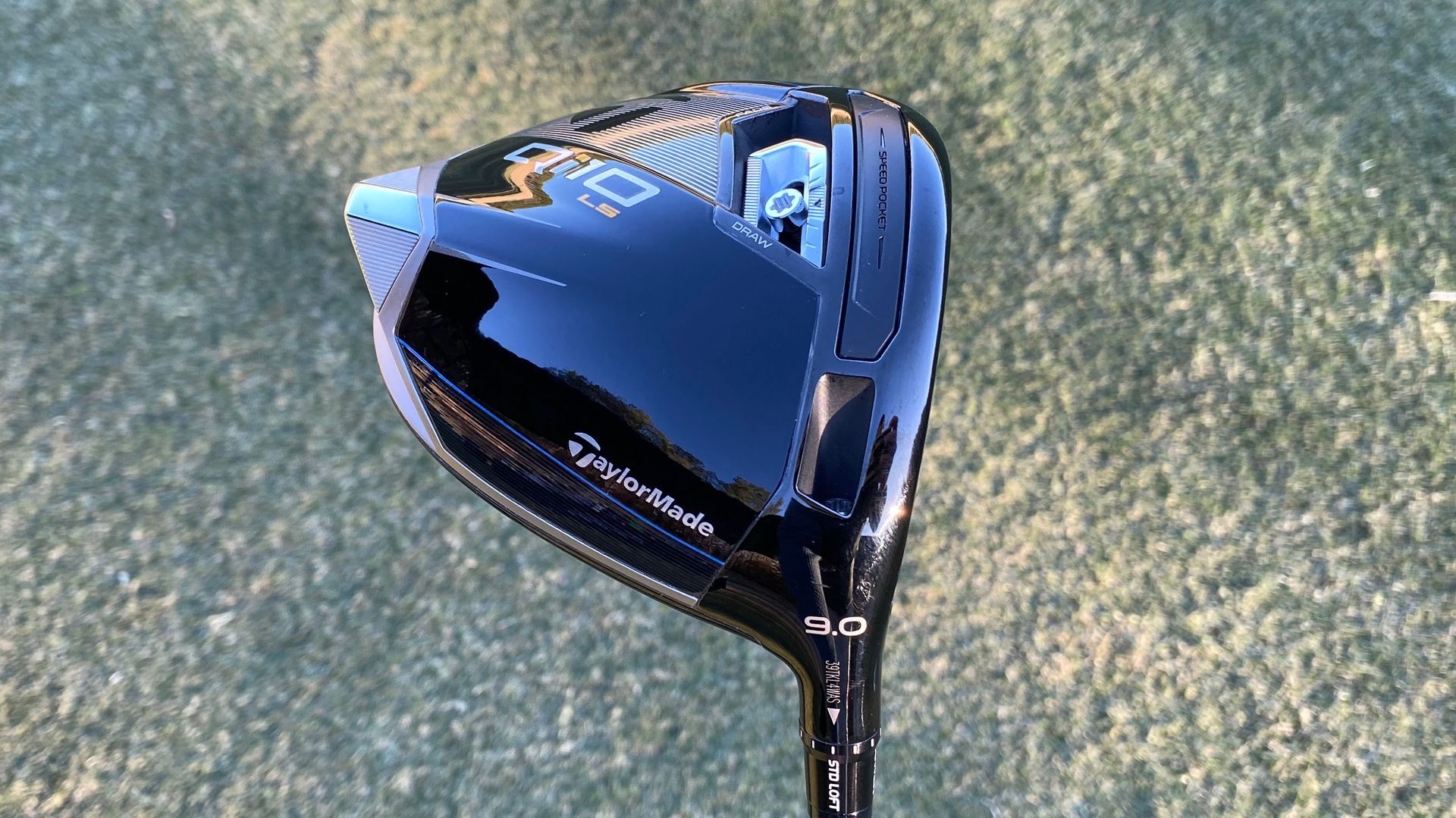
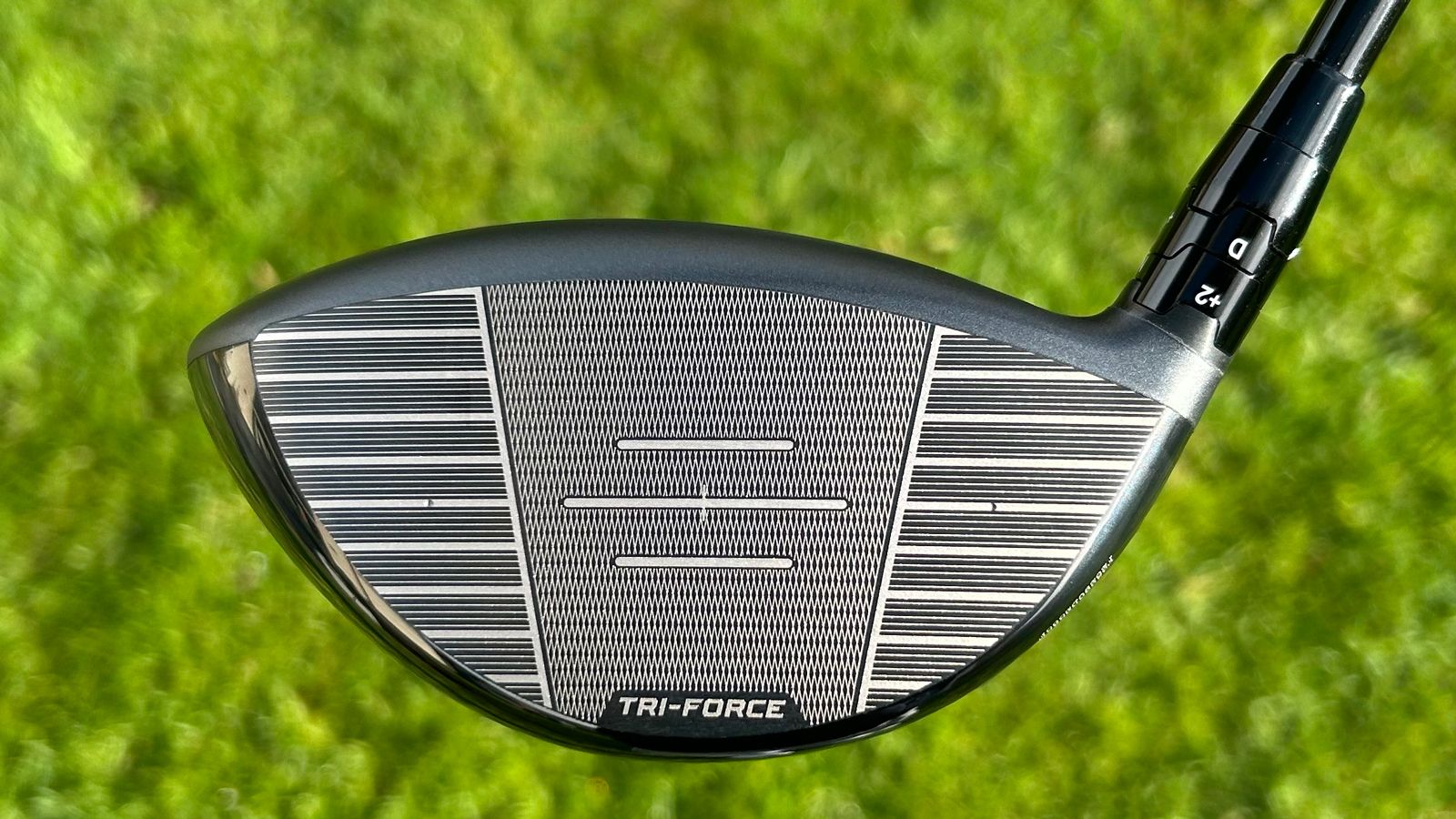
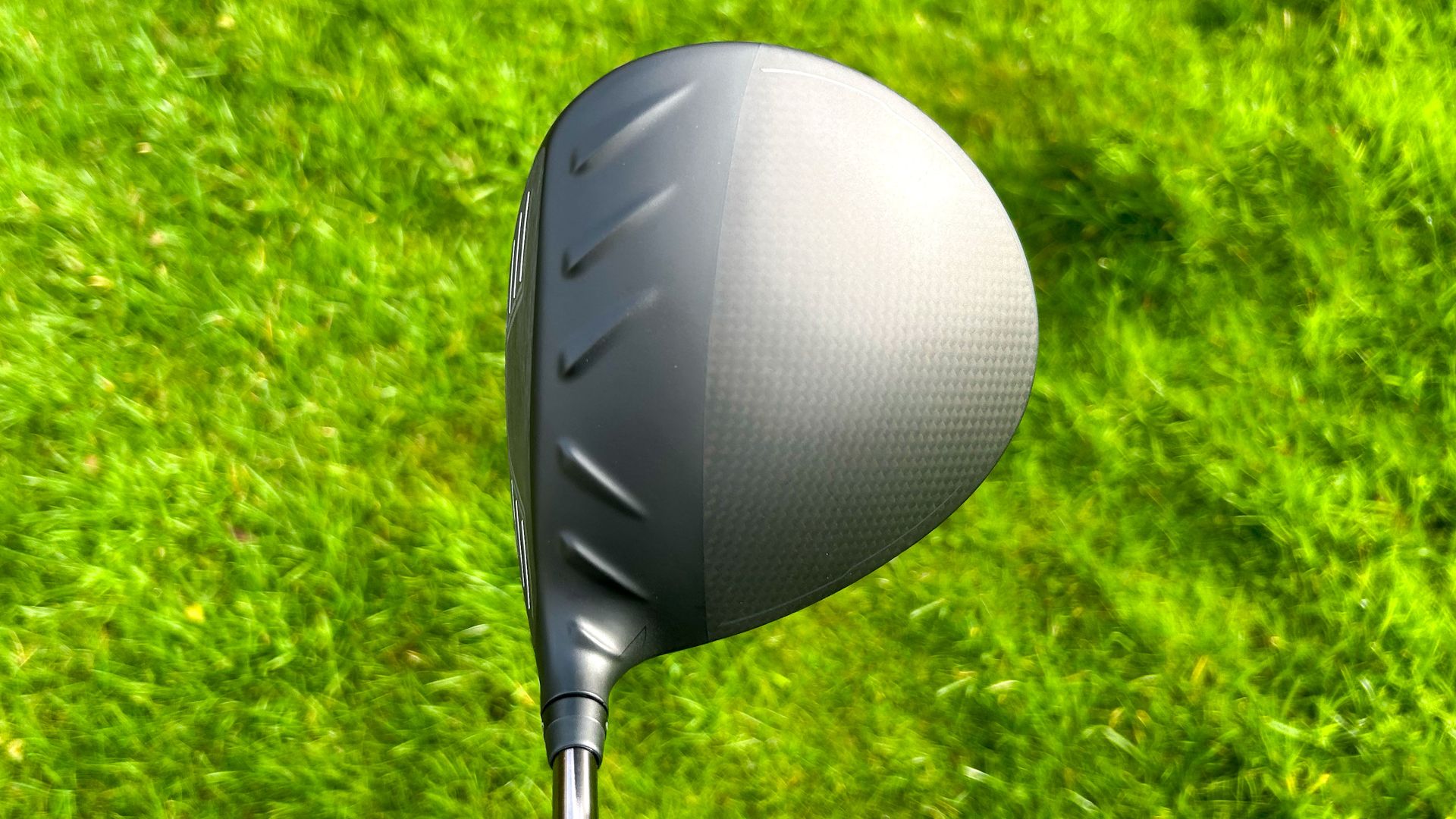

Statistics across all skill levels confirm that maximizing speed and distance are the primary goals of the game. However, one must ask whether the velocity at which a player can swing the driver should be the main deciding factor. Additionally, does the specific design of the club head hold the secret to achieving this highly desired trait?
Why Driver Head Shape Matters
Ryan Dickey identifies the Callaway Epic Speed as a prime example of effective driver head shape design, noting its sole features a steep upward incline that extends toward the rear. Upon the club’s release, Callaway labeled it the quickest model in the Epic series and detailed their speed-creation process on their official website.
“The advanced aerodynamic head construction promotes lower drag for higher head speed. The taller ribbon and flatter crown are built for a precise, more aerodynamic shape that can help golfers generate more speed.”
Ryan Dickey typically dismisses promotional jargon as mere fluff, often ignoring claims regarding added distance and forgiveness. However, he considers this instance an exception where the messaging proved to be accurate.
He observed that the club generated significant speed, a quality that was distinctly perceptible during use.
Robert Rock featured the Epic Speed model in his Golf Monthly “What’s In The Bag” segment with the Kick Point team, demonstrating its continued use years post-release and enhancing the club’s allure.
Ryan Dickey’s Testing of Alternative Drivers
Having relied on this head for an extended period, Dickey attempted upgrades to both Titleist and newer Callaway models, finding them to feel like swinging a fly swatter or tennis racket due to noticeable air resistance dragging the head.
Retail options with comparable shapes include the Cobra Darkspeed LS and TaylorMade Qi10 LS; while both are excellent, they serve as imperfect comparisons because each is engineered for lower spin rates.
Ryan Dickey notes that Epic Speed offered significant spin and a draw bias, traits that are difficult to achieve within its aerodynamic head shape.
The TaylorMade Qi10 features a compact design with weight positioned forward.(Image credit: Future)
Manufacturers may have neglected aerodynamic shaping in favor of other features.
Many brands have shifted away from this specific shaping to prioritize forgiveness and face materials.
As manufacturers sought greater forgiveness, some clubheads became larger, more elongated, and heavier, which can hinder swing speed.
Dickey argues that the small improvements in forgiveness often do not justify the potential reduction in speed compared to superior aerodynamic designs.
Recent efforts to increase driver speed have focused on new face materials or enhanced forgiveness rather than aerodynamics.(Image credit: Future)
When selecting a driver, the ability to swing the club quickly is paramount.
While rules limit clubface speed, there are no restrictions on how fast a player can swing, making it crucial to find a driver that maximizes swing speed.
To find a fast driver, one must examine specific design elements, such as sole geometry. A sole that angles sharply upward toward the rear of the clubhead often indicates better aerodynamic performance through the air.
Various manufacturers employ distinct methods to minimize air resistance, including Ping’s Turbulators. This feature divides opinion within the golf community, with enthusiasts either embracing or rejecting these distinct crown features.
Ping supports its Turbulator technology with aerodynamic data, demonstrating that these crown structures reduce drag and potentially boost clubhead speed.
Golfers hold divided views on the Ping turbulator design.(Image credit: Future)
Ping typically utilizes heavier head weights compared to many retail competitors. For instance, the G440 LST weighs 205 grams, while a Titleist GT3 measured 195.2 grams with its standard 8-gram weight. This nearly 10-gram difference affects swing speed, though the impact varies by player, setup, and ball speed, creating a unique trade-off for each individual.
Because Ping favors heavier heads for forgiveness, it must innovate more in aerodynamics to offset the added mass.
Should You Consider Aerodynamics When Buying a Driver?
Average players may not perceive slight speed differences between heads, but using a launch monitor to measure clubhead speed provides valuable insight. Advanced players or those sensitive to equipment changes should definitely account for this during testing.
Ball speed and club speed are distinct metrics. A slower swing with consistent center-face contact can yield a higher smash factor, potentially maintaining or increasing ball speed compared to a faster but less efficient strike.
Sam De’Ath, serving as Equipment Editor, determined that the Callaway Quantum Triple Diamond Max provides a reliable combination of forgiveness and speed.(Image credit: Tom Lewis)
Ryan Dickey notes that if a golfer possesses a ‘quick’ head designed for higher velocity yet fails to strike the center of the face, swinging it faster may not yield any benefit. Strike quality remains the most critical factor. However, identifying a clubhead that allows for both high swing speed and consistent center-face contact positions a player to maximize their distance potential.
These findings suggest that the shape of the driver head might be the sole reason a player is leaving speed on the table.
Ryan Dickey asks readers to share the fastest driver they have ever tested in the comments below.
Source: Ryan Dickey, Golf Monthly.
