
Golfers Adapt to Post-Apocalyptic Conditions at East Potomac Golf Links
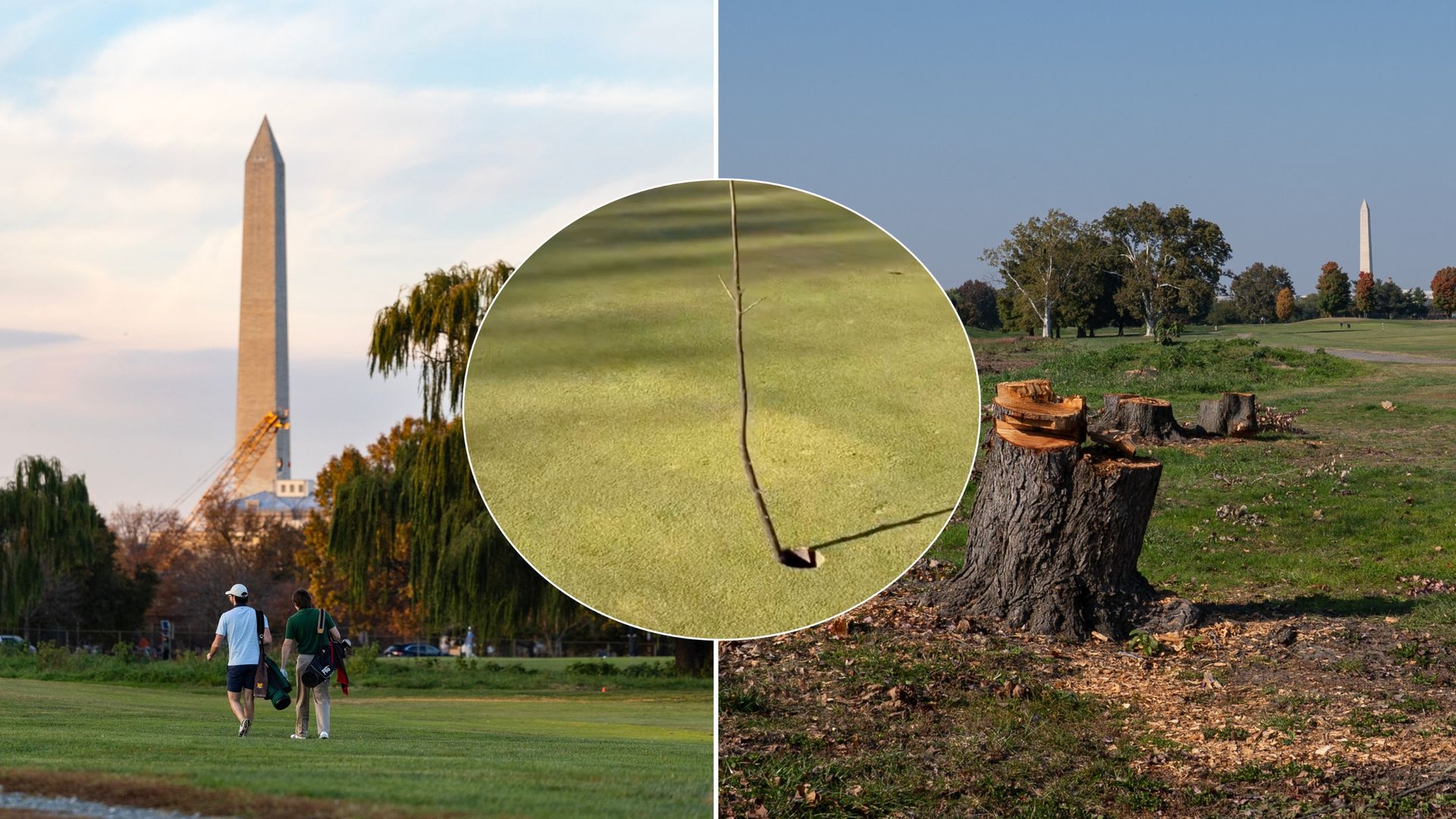

Golfers at East Potomac Golf Links in Washington, DC, have encountered a peculiar situation this week, generating striking visuals that have captured the interest of golf enthusiasts well beyond the capital of the United States.
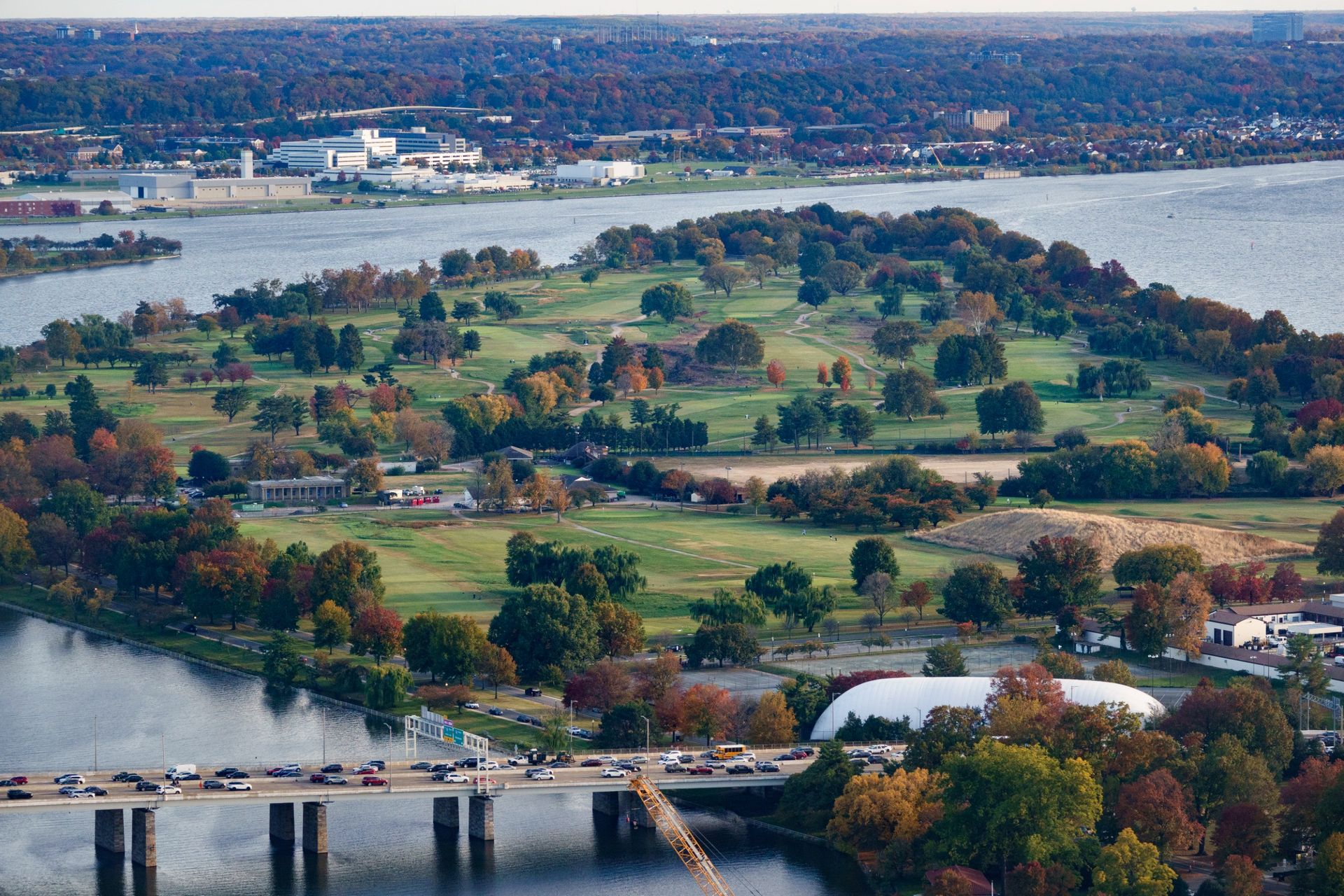
As previously noted, the Trump Administration and the National Park Service (NPS) established November 15 as the deadline for the National Links Trust, the operator of the three courses on the scenic Hains Point peninsula in Washington DC, to stop managing the facilities.
Initially, the NPS intended to assume control and fully shut down the property after November 15 to allow for renovations lasting 15 or more months, transforming the site into an 18-hole championship course designed by celebrated architect Tom Fazio, with the potential to host Major Championships.
Local U.S. District Judge Ana C. Reyes granted a temporary restraining order on Saturday, preventing the official closure of the courses for the expected 15 months, with the order remaining valid through November 28.
Meanwhile, DC locals have continued to play at their municipal course daily since Monday, despite the National Links Trust having removed all tee markers, pins, holes, and scorecards by Sunday night.
East Potomac is set to close imminently for refurbishment(Image credit: Getty Images)
Walking the 18-hole blue course this week revealed a palpable sense of resilience among the regulars who cherish the course.
“I think it says that the golf community in DC is really great and I think no matter what they do, people are gonna fight to get out here and smack it around a bit,” local golfer Mark McFeely said on Wednesday on the eighth hole of East Potomac’s blue course.
“I think it says a lot about any person in this country, you know, if you want to take away something of ours, especially for kind of like a silly reason, to be quite honest, which is just because they want to, then you know, people aren’t gonna just like roll over and let it happen,” McFeely said.
“People are gonna get out here and play golf until they physically stop us, it appears. So we’re just out here.”
Local golfer Ryan Jones also felt compelled to visit this week to experience playing a course devoid of flags and tee markers.
“I’m just grateful for the opportunity to play a round out here at East Potomac. Obviously I want to see it open back up with what’s been going on, but this is a course for the public and that’s what I believe,” Jones said.
“I think being out here just shows the commitment and the heart of this community. Everyone wants to come out here and just walk nine holes with their buddies and maybe have a beer. It’s really nice to see people carrying their bags.”
Since there are no pins to aim for, each of the 18 holes on the blue course features a stick placed within it; although many are crooked, DC golfers positioned them to help subsequent players identify their targets, symbolizing a shared community effort.
(Image credit: Garrett Johnston)
“You know, at times it can feel like episode of the Twilight Zone with sticks in the cups and maybe like a post-apocalyptic golf course. But I mean people are still out here,” McFeely said.
Jones and McFeely, both caddies at the nearby Congressional Country Club, were joined by Patrick Compton, a resident of Alexandria, Virginia, for their round this week.
“It’s weird with no pins, so just kinda playing it as we can. But you know it feels a great day, so it feels nice being out here, but it’s a real shame what’s happening,” Compton said.
The question remains: what is the playing experience like without pins, and how unusual does it feel?
On the par 3 4th hole, for instance, an IPA beer can sits atop the stick to act as a makeshift flag, demonstrating the resourcefulness of these public golfers.
“It’s ridiculous. I mean it’s crazy but you know, honestly just being able to get out and play makes it okay in a way, but it is very strange. Especially playing here hundreds of times, you know, as it normally is and should be. So it’s been a real unique experience,” Compton said.
“I hope and pray that the judge is able to keep it as it is, but you know, with the transition, obviously with the new Democratic government coming in, hopefully that can delay it until January and it could maybe not, but I really don’t see how we can hold up the Trump administration,” Compton said.
“I really foresee this changing. So I’m excited to get out here and walk nine.”
During a nine-hole walk, other notable sights and sounds included golfers blasting music from their bags on the ninth tee box, while the clubhouse remained locked.
Rental golf bags, previously stored in the starter’s hut without any locks, were moved to the green space near the practice green by the entrance on Monday for golfers to retrieve their needed clubs, but by Wednesday, all bags and clubs had disappeared.
“There’s an uncertainty as to when this will all end for these locals, but for now, they’ll take what they can get,” Compton said.
Alex Dickson, known in local golf media as the Beltway Golfer, launched an Adopt-A-Hole Program on Thursday night, placing a sign with his Beltway Golfer logos on the ninth green of the white course to claim responsibility for its upkeep.
This initiative is rapidly evolving into a widespread movement, with social media playing a significant role.
Dickson shared a video on his popular Instagram account on Thursday night, showing himself blowing leaves and explaining his new responsibility for the hole while encouraging others to join in.
“I’ve got nine on the white, there’s 35 more to go out there guys, who’s with me, somebody grab a hole. We need thirty five more people. Let’s do this,” Dickson implored his fellow golfers.
Dickson then contacted a local superintendent who volunteered extra holes and pins for the communal project, and by Friday morning, Dickson and others were swapping the makeshift stick pins for real ones.
Necessity remains the mother of invention at East Potomac, located near the monuments of Washington, DC.
