
Miracle Recovery Puts Golf In Perspective
Life presents unexpected challenges, and few alter one’s perspective as profoundly as a cancer diagnosis. The manner in which individuals approach the sport often reflects their broader personality, revealing hidden traits and pushing resilience to its boundaries.
Personal encounters with the disease, or losing a loved one to it, inevitably reshape one’s worldview. This transformation is personal; the stark reality of mortality removes the illusion of control.
Survivors find their daily existence, tolerance levels, and on-course reactions transformed. Golf mirrors this reality: despite limited control over course conditions, players often feel disproportionate frustration, suggesting a need for broader perspective.
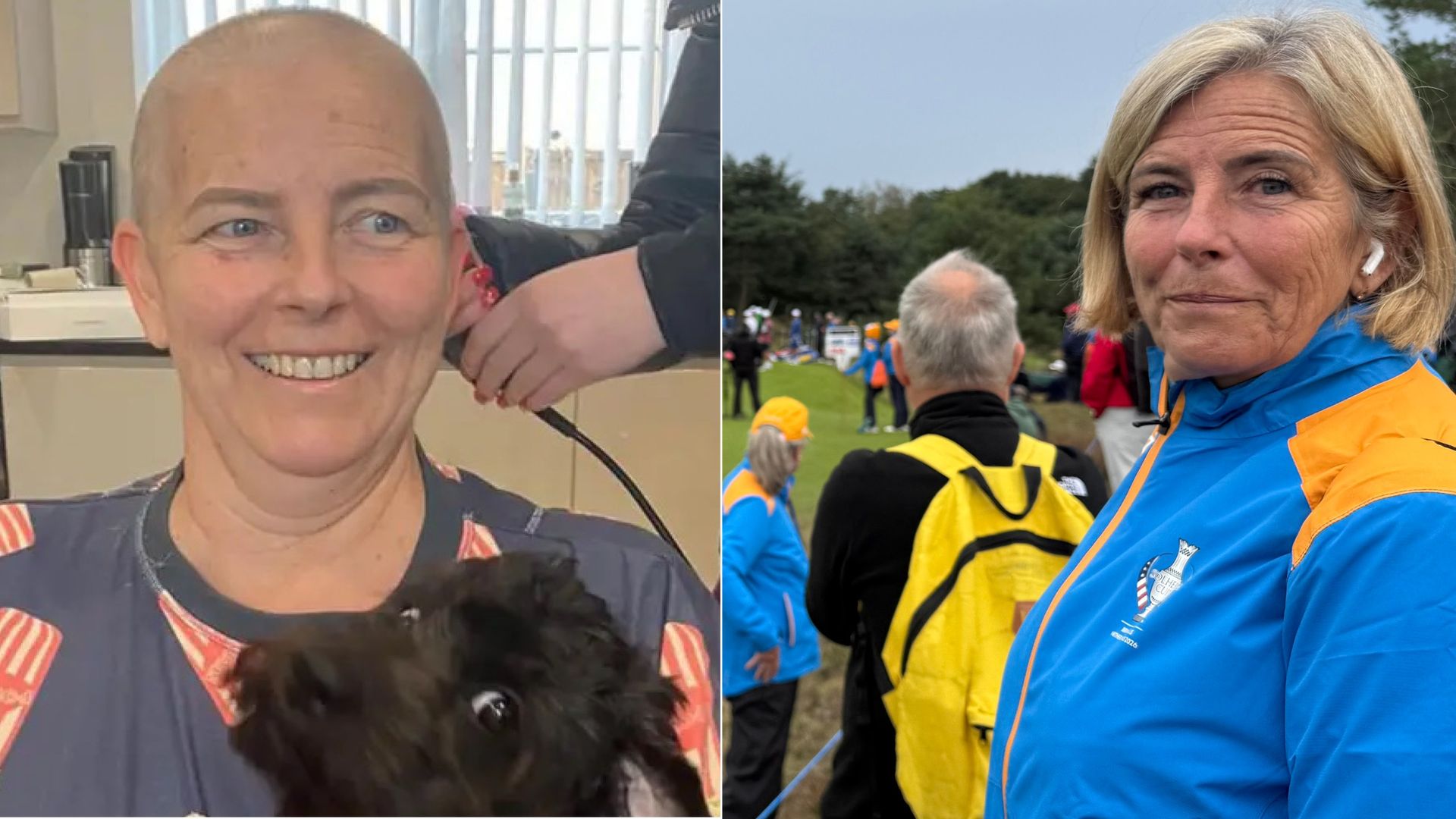
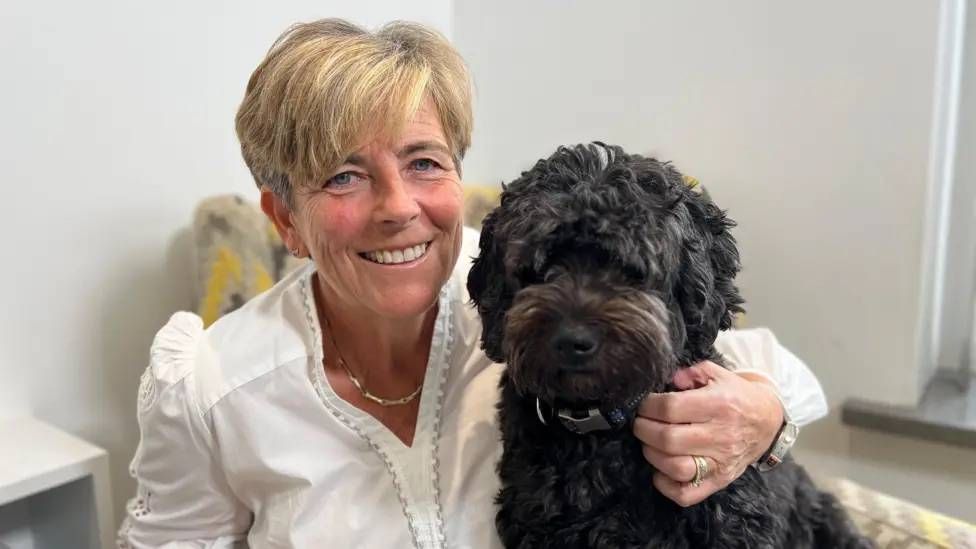
Lisa Noble was encountered during the 2026 Solheim Cup at Bernardus Golf, where she served as a marshal. A player at Bishop’s Stortford, she exemplifies possibility; although currently cancer-free, her 2020 experience was markedly different.
“I’d been diagnosed with cancer after a routine cholesterol test. I had no symptoms at the time, so it was a case of watch and wait, and two years later I found a lump in my neck.”
She’d gone through four failed rounds of chemotherapy for B-cell lymphoma and had two weeks left to live when she began CAR-T cell therapy at Addenbrooke’s Hospital in Cambridge. “CAR-T cell therapy was my last chance. I was the third-ever person to have it, and three months later I was cancer-free and I still am. It’s amazing.”
Noble was questioned regarding whether her survival altered her emotional connection to the game or her general outlook on life.
“It really has. As a general rule I want to play well, [but] it’s not the be-all and end-all anymore. It doesn’t really matter. There are bigger things that have gone on and I’m just happy to be out on the golf course now rather than be out there all the time to win. I enjoy it more now, you know? You’re just appreciative of it, and… being here.”
Lisa’s perspective on trivial distractions mirrors the narrator’s own view regarding matters that lack significance in the broader context. Golfers frequently encounter frustrations stemming from circumstances beyond their control or shared by all players. A profound shift occurs after experiencing trauma, such as surviving cancer or losing a loved one, altering tolerance thresholds and revealing happiness in minor details.
“If other people on the course are moaning, then I get frustrated. There’s more to life than so much of what people fuss about on the course.”
Lisa’s journey serves as an inspiring testament, resonating with the narrator who has faced personal crises. Her condition prevented walking for three months while she remained in intensive care during lockdown without visitors. Once mobile, she immediately booked a flight despite her haematologist’s advice to rest.
(Image credit: Lisa Noble)
“I think I just kind of wanted to get on the golf course, and my haematologist called me. I was in Tenerife – I think it was in June. I had the treatment in February. I’d managed to get onto a flight and I didn’t tell him I was going, and he called me. He was confused by the international dial tone. “I’ve spoken to him since, and he said, ‘I can remember jumping in the air.’ And the fact that you’d actually just got up and gone – he said, ‘I was so impressed with it.’”
The core message encourages embracing fears and opportunities previously avoided. Players should create memories and engage in preferred golf styles alongside chosen companions, prioritizing connection with others.
Both the narrator and Lisa emphasize that golf transforms into a rare treasure following life’s major disruptions.
The narrator and Lisa agree that life without golf after a cancer battle would be unimaginable. While other hobbies exist, golf offers a unique retreat for mental clarity. Lisa noted that if initial treatments had failed, her current vibrant lifestyle would have been diminished. The urgency of limited time and options heightened her gratitude when health was restored.
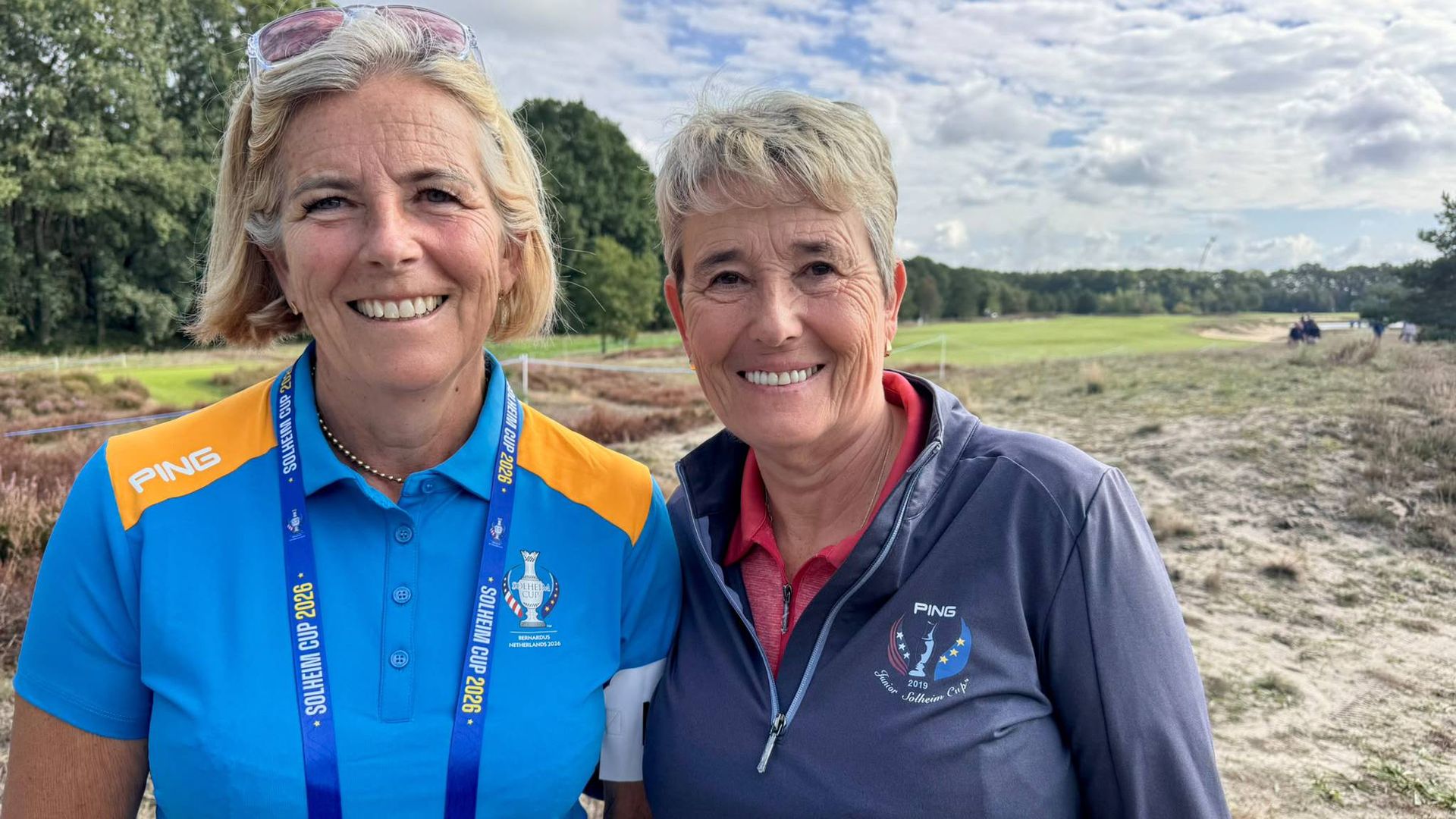
Elaine Cozens, Lisa’s business partner and friend, appeared alongside her at the 2026 Solheim Cup.(Image credit: Lisa Waine)
Katie Dawkins notes that while some friendships dissolve under pressure, Lisa’s companions remained steadfast, highlighting the value of having supportive peers in the game.
“The girls that I play a small society with were amazing. During treatment and lockdown, every Thursday, no matter what, they used to drop something on the doorstep. It went on for so long they got short of ideas. At one point they started adopting me chickens and putting adoption papers through the letterbox.”
Lisa took “live life to the full” to the extreme when she was recovering. “Golf gave me something that I wanted to be doing, and I took on an allotment as well just to get me out before I was ready to play. It got me out and just doing stuff.
“I’m so bloody lucky to play golf. I want to get out there. All these men moaning about needing a medical adaption to their handicap because of a dodgy arm or knee and all that, and I was adamant that after all that time, I was going to let my handicap work itself out. I didn’t have any medical adjustments or anything on my handicap.
“I came back in the first competition I played off my original 11 handicap I had before the cancer… I won. I literally haven’t won a competition since, but it was just one of those really random rounds of golf.”
Even with my handicap being so much lower that first time, I wasn’t necessarily expecting much, and it was one of those golden moments where you’re just in the right mindset and you’re in the right level of relaxed expectation. When you haven’t played the course for such a long time, you don’t remember all the crap that you played before, so you don’t think, ‘Oh, last time I played it, I was having trouble with that.'”
Lisa, who now plays off a 15 handicap, expresses contentment: “I love the new WHS handicap system purely and simply because if you’re carding every time you play, your handicap’s going to be right. If you’re putting everything in, then it’s a fair reflection on how you’re playing in that moment, not how you played last year.”
Dawkins suggests that rather than merely mimicking Lisa’s gratitude, golfers should embrace opportunities they might usually hesitate to accept, potentially introducing others to the sport’s benefits, and invites those with similar transformative experiences to share their stories in the comments.
The author concludes by celebrating the gift of a second chance, the appreciation for the sport, and the encouragement to seize new possibilities.
Source: Katie Dawkins, Golf Monthly.
